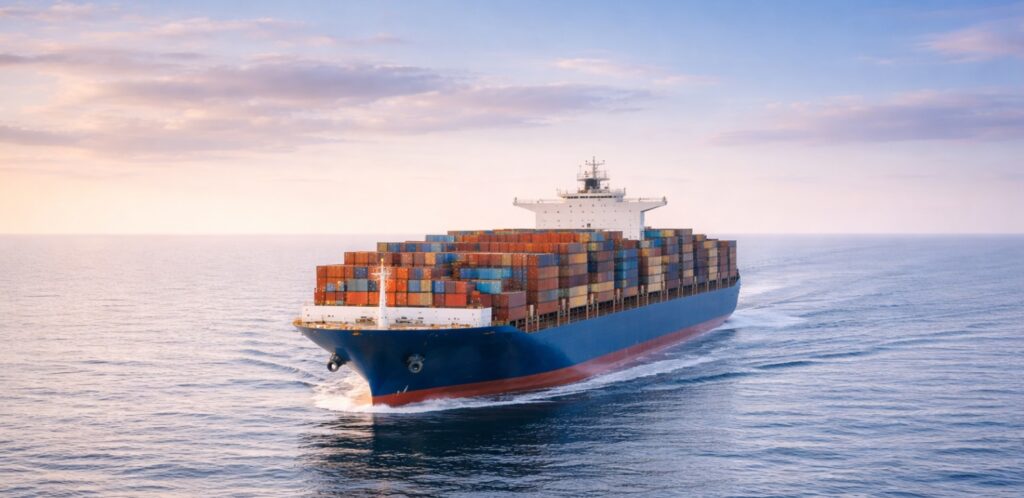
Japanese shipping company MOL has entered into an annual LNG bunkering agreement with Canada-based Seaspan Energy to fuel its car carriers operating out of the Port of Vancouver, according to Ship & Bunker.
The partnership marks a formal commitment to securing a stable LNG fuel supply for MOL’s growing fleet of LNG-fuelled car carriers on North American trade routes. According to MOL’s statement, the first bunkering operation under the new contract was completed on April 29, 2026.
Expanding West Coast LNG Operations
This agreement builds on a series of LNG bunkering operations MOL has conducted along the west coast of North America. Ship & Bunker reports that the company completed its first such operation in the region in March 2025, with several additional operations carried out since then.
Harly Penner, president of Seaspan Energy, highlighted the milestone nature of the arrangement. As quoted by Ship & Bunker, Penner stated: “MOL was the first car carrier operator to receive LNG bunkering services in the Port of Vancouver, and we are proud to continue supporting their operations in Vancouver through this annual LNG bunkering agreement.”
Bio-LNG on the Horizon
Looking ahead, the two companies have indicated they may explore collaboration in bio-LNG supply as well, according to the report. While no firm commitments have been announced, the possibility signals an appetite for deeper decarbonisation cooperation between the parties.
Does This Matter to You?
For maritime professionals monitoring alternative fuel adoption, this agreement is a noteworthy development. It demonstrates that LNG bunkering infrastructure on the North American west coast is maturing — moving from one-off operations to formalized annual supply contracts.
Vessel operators, charterers, and fleet managers with car carriers or other LNG-fuelled tonnage operating on trans-Pacific or North American coastal routes may find relevance in knowing that Port of Vancouver is becoming a more established LNG bunkering location. The potential exploration of bio-LNG supply also aligns with growing regulatory pressure and industry interest in lower-carbon marine fuel options.
Bunkering suppliers and port operators in the region may also wish to note the increasing commercial viability of LNG bunkering services on Canada’s west coast.
Gulf Bunkering does not provide operational or security guidance. This article is for informational purposes only. Operators should consult flag state authorities, P&I clubs, and relevant advisories for decisions relating to transit planning.
Sources: Ship & Bunker