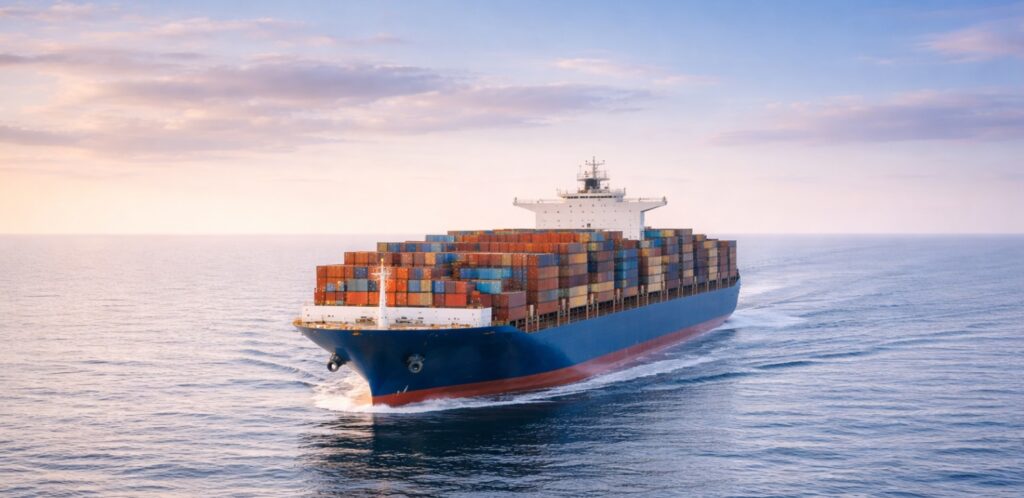
Two of the world’s largest container carriers are cautiously returning to one of shipping’s most strategically vital corridors. According to ShippingWatch, Maersk and Hapag-Lloyd have begun sailing individual vessels through the Red Sea, a route that has been largely closed to commercial shipping since late 2023.
A Tentative Return, Not a Full Reopening
While the resumption marks a notable development for global container shipping, it is far from a full-scale return to normal operations. As reported by ShippingWatch, Hapag-Lloyd has made clear that a comprehensive comeback remains contingent on decisions beyond the carriers’ control.
“It does not depend on us, but on the decisions of the Iranian authorities,” a Hapag-Lloyd spokesperson told ShippingWatch, when asked about the prospects for a broader operational return to the Red Sea.
The statement signals that although initial transits are underway, the overall security environment in the region has not been fully resolved, and carriers are proceeding with caution.
Background: Why the Red Sea Closed
The Red Sea has been effectively off-limits to much of the global merchant fleet since 2023, following a surge in attacks on commercial vessels in the region. The disruption forced major carriers to reroute vessels around the Cape of Good Hope, adding significant time and cost to voyages between Asia, Europe, and the Americas.
Does This Matter to You?
The gradual return of major liner operators to the Red Sea carries significant weight for maritime stakeholders across the industry. For those tracking freight costs, fuel consumption, and voyage economics, the route’s reopening — even on a limited basis — introduces new variables into planning and pricing.
Bunker demand patterns, in particular, are closely tied to routing decisions. The Cape of Good Hope diversion added thousands of nautical miles to voyages, increasing fuel consumption substantially. A return to the shorter Red Sea route would directly affect fuel volumes consumed per voyage, altering demand dynamics at key bunkering hubs.
At the same time, the situation remains fluid. With Hapag-Lloyd explicitly linking a full return to political decisions by Iranian authorities, the timeline for any meaningful normalization is uncertain. Operators, traders, and port planners should continue monitoring the situation closely before making assumptions about route-based adjustments.
ShippingWatch reports that the broader landscape remains unsettled, with multiple tanker executives also expressing caution regarding the nearby Strait of Hormuz — another critical maritime chokepoint currently under scrutiny.
Gulf Bunkering does not provide operational or security guidance. This article is for informational purposes only. Operators should consult flag state authorities, P&I clubs, and relevant advisories for decisions relating to transit planning.
Sources: ShippingWatch