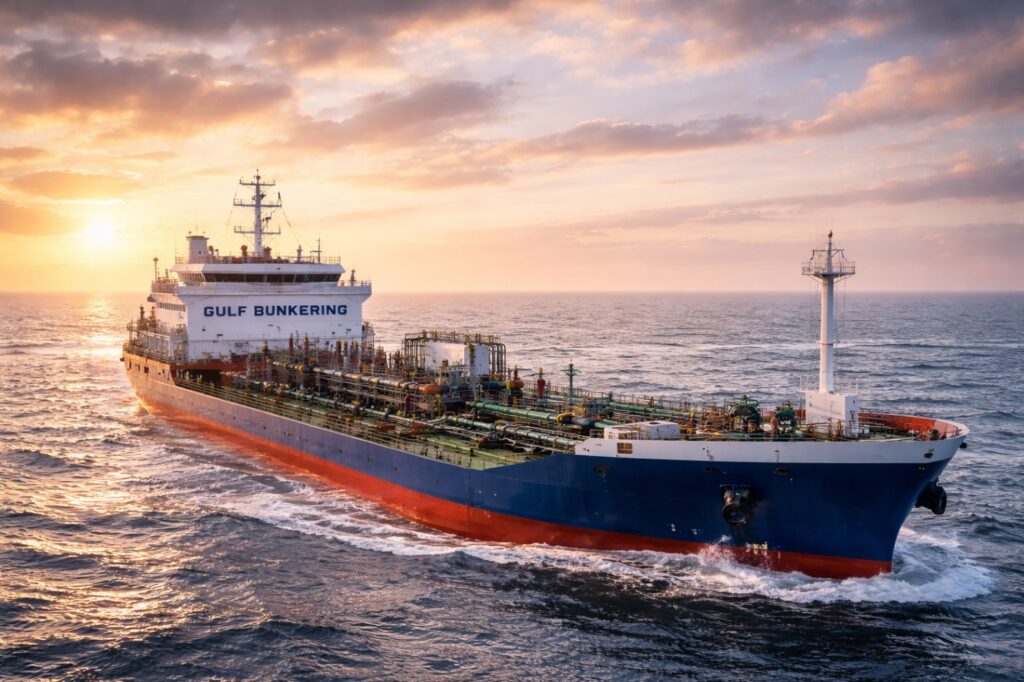
After more than four months anchored in the Persian Gulf, all four of Hapag-Lloyd’s container ships have now transited the Strait of Hormuz and exited the Gulf, according to ShippingWatch.
The vessels had been stranded since late February, with the carrier having originally anticipated a departure over the preceding weekend or early in the same week. The transit marks a significant operational development for one of the world’s largest container shipping lines.
A Prolonged Standstill Comes to an End
Hapag-Lloyd’s four ships were among a number of commercial vessels caught in the Persian Gulf amid ongoing security concerns surrounding the Strait of Hormuz — a critical chokepoint for global maritime trade. ShippingWatch reports that the vessels have now successfully passed through the strait.
The German carrier is not alone in resuming Gulf transits. Maersk, the Danish container giant, also moved two of its vessels out through the Strait of Hormuz early on the same morning, as reported by ShippingWatch.
A Complicated Waterway
Despite the resumed transits, the situation in the Strait of Hormuz remains closely watched. ShippingWatch has also reported separately that analysts at Kpler have identified numerous risks still present for ships in the area, while Iran has issued warnings against what it described as a new “unacceptable” routing through the strait. A further ShippingWatch report notes that a broader return to Hormuz by carriers may still be a long way off, with shipping lines reportedly paying closer attention to signals from Iran than to guidance from the International Maritime Organization.
Does This Matter to You?
The Persian Gulf and the Strait of Hormuz are among the most strategically significant waterways in the world for energy and cargo flows. The fact that major carriers such as Hapag-Lloyd and Maersk have begun moving vessels through the strait again signals a potential shift in routing decisions — but the continued warnings from analysts and Iranian authorities suggest the situation remains fluid.
For those involved in freight planning, cargo scheduling, port logistics, or maritime risk assessment, the resumption of transits by two of the largest container carriers is a relevant data point. However, given ongoing commentary about remaining risks and geopolitical uncertainty, the picture is far from settled. Route decisions and risk assessments should continue to be monitored closely as the situation develops.
Gulf Bunkering does not provide operational or security guidance. This article is for informational purposes only. Operators should consult flag state authorities, P&I clubs, and relevant advisories for decisions relating to transit planning.
Sources: ShippingWatch