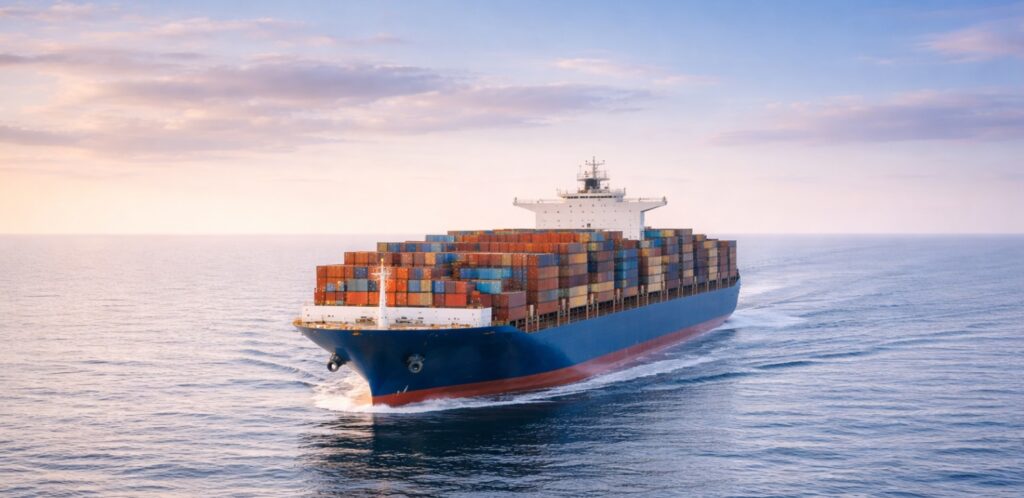
The ongoing Middle East conflict continues to disrupt container shipping operations, with 28 vessels still affected by the regional security situation, according to Alphaliner, as reported by Ship & Bunker.
According to Ship & Bunker, Alphaliner’s data as of July 13 shows these affected ships have a combined capacity of approximately 160,000 TEUs. The sector specialist noted that the vessels fall into two categories: those sheltering from conflict-related risks and others that have been diverted for operational reasons.
Improvement From Previous Survey
Ship & Bunker reports that this figure represents a decline of around 55,000 TEUs compared to Alphaliner’s estimate from two weeks prior. The reduction suggests that some vessels previously stranded in the region have been able to resume their scheduled voyages.
However, Alphaliner cautioned that the true number of affected ships could differ from its estimates. According to the report cited by Ship & Bunker, widespread AIS spoofing and signal deactivation throughout the region are complicating efforts to accurately track vessel movements.
Impact on Market Capacity
While these 28 vessels are not officially classified as commercially idle, Ship & Bunker notes that they remain unavailable for commercial deployment. Alphaliner indicated this situation is adding further strain to an already tight container shipping market.
Separately, Alphaliner’s broader survey identified 76 commercially idle container ships, representing roughly 197,000 TEUs. As reported by Ship & Bunker, this figure equates to just 0.6% of the global container fleet, which stands at 34 million TEUs.
Alphaliner specifically highlighted the scarcity of idle large vessels, stating that only one ship above 18,000 TEU capacity was recorded as idle. The firm explained that this vessel’s idle status was temporary, reflecting a brief wait for an upcoming service assignment, and it is expected to be excluded from the next survey count.
Does This Matter to You?
For those monitoring global shipping capacity and freight market conditions, this ongoing disruption in the Middle East carries practical implications. Vessels unavailable for commercial service—whether sheltering or diverted—reduce effective fleet capacity even when not officially counted as idle, according to Alphaliner’s findings reported by Ship & Bunker.
The scarcity of idle large vessels, particularly those above 18,000 TEU, points to tight supply conditions in that segment of the market. Charterers, operators, and trade planners tracking vessel availability or route planning through the region may find these capacity constraints relevant to scheduling and cost considerations.
The report also underscores ongoing challenges with vessel tracking reliability in the region due to AIS spoofing and signal deactivation, which may affect risk assessment and voyage planning for parties operating in or near the affected area.
Gulf Bunkering does not provide operational or security guidance. This article is for informational purposes only. Operators should consult flag state authorities, P&I clubs, and relevant advisories for decisions relating to transit planning.
Sources: Ship & Bunker (citing Alphaliner)