Germany’s Port of Hamburg has taken a significant step toward supporting ammonia as a marine fuel, completing key safety work aimed at enabling future ship-to-ship ammonia bunkering operations, according to Ship & Bunker.
The Hamburg Port Authority (HPA) announced via LinkedIn on Tuesday that it has jointly developed a comprehensive risk analysis and safety concept for ammonia bunkering together with energy company MB Energy, as reported by Ship & Bunker. The initiative involved collaboration with terminal operators, shipping companies, and local authorities, reflecting a broad industry effort to prepare the port’s infrastructure for alternative fuel operations.
Preparing for Future Vessel Traffic
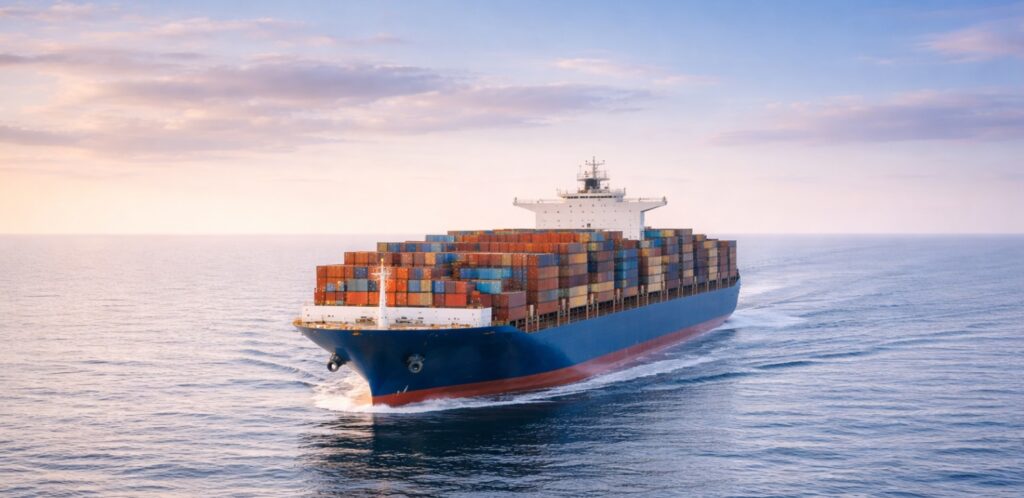
According to Ship & Bunker, the safety framework is designed to support the bunkering needs of ammonia-powered container ships, cruise ships, RoRo vessels, and ConRo vessels expected to call at Hamburg in the years ahead. HPA stated that it anticipates ammonia becoming an important alternative marine fuel in the coming years, signaling the port’s intent to position itself early in the transition toward low-carbon shipping fuels.
Import Terminal and Barge Plans
Beyond the safety concept, MB Energy is moving forward with plans to develop an ammonia import terminal starting in 2029, which the company expects will help secure a long-term ammonia supply for Hamburg and other ports across northern Germany, Ship & Bunker reports. This follows earlier reporting by Ship & Bunker in April, which confirmed that MB Energy had already secured government approval for the new ammonia import terminal in Hamburg, with bunkering services included as part of the project scope.
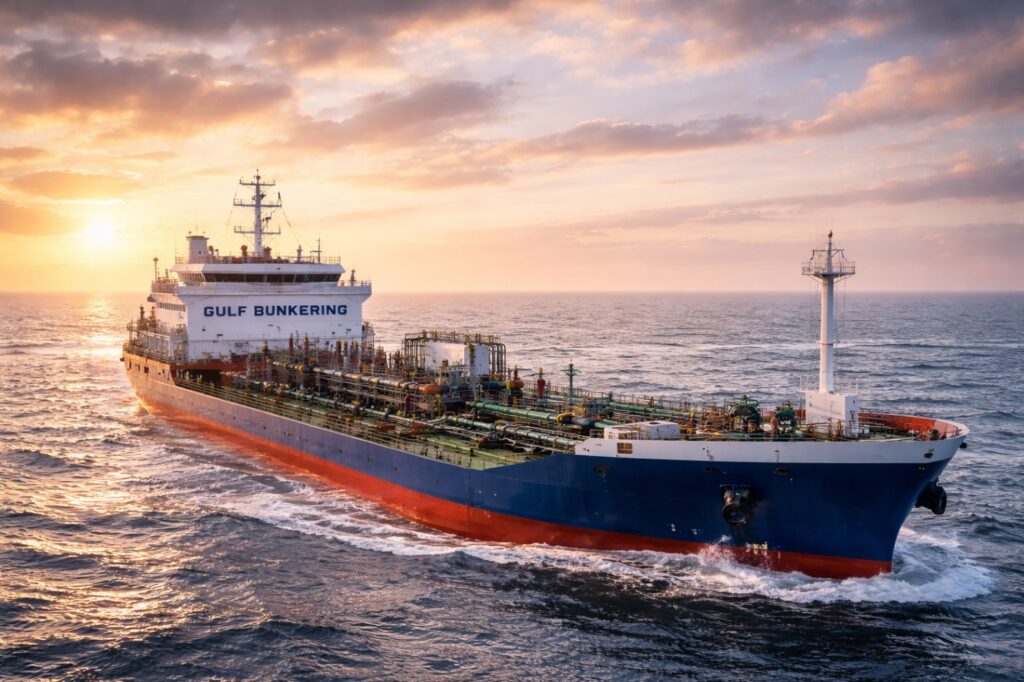
Additionally, Ship & Bunker notes that an ammonia bunker barge is under consideration to facilitate future ship-to-ship bunkering operations at the port, which would provide operational flexibility for vessels calling at Hamburg once ammonia fuel infrastructure is in place.
Does This Matter to You?
This development signals early-stage but concrete progress toward ammonia becoming a viable marine fuel option at a major European port. Parties involved in vessel operations, fuel procurement, or long-term fleet planning may want to track how Hamburg’s safety concept and infrastructure plans evolve, particularly as the 2029 import terminal timeline approaches.
The consideration of a dedicated ammonia bunker barge also points to how ship-to-ship bunkering logistics for alternative fuels may be structured in the future, which could inform planning for vessels transitioning to ammonia propulsion. As the source material does not provide specifics on pricing, capacity, or regulatory timelines beyond what is stated, further details will be necessary before the full operational and commercial impact becomes clear.
Gulf Bunkering does not provide operational or security guidance. This article is for informational purposes only. Operators should consult flag state authorities, P&I clubs, and relevant advisories for decisions relating to transit planning.
Sources: Ship & Bunker