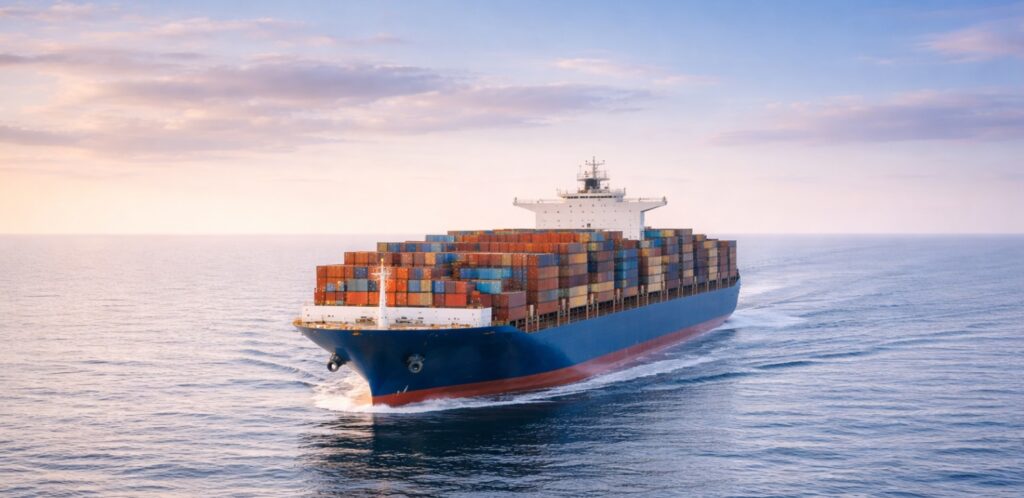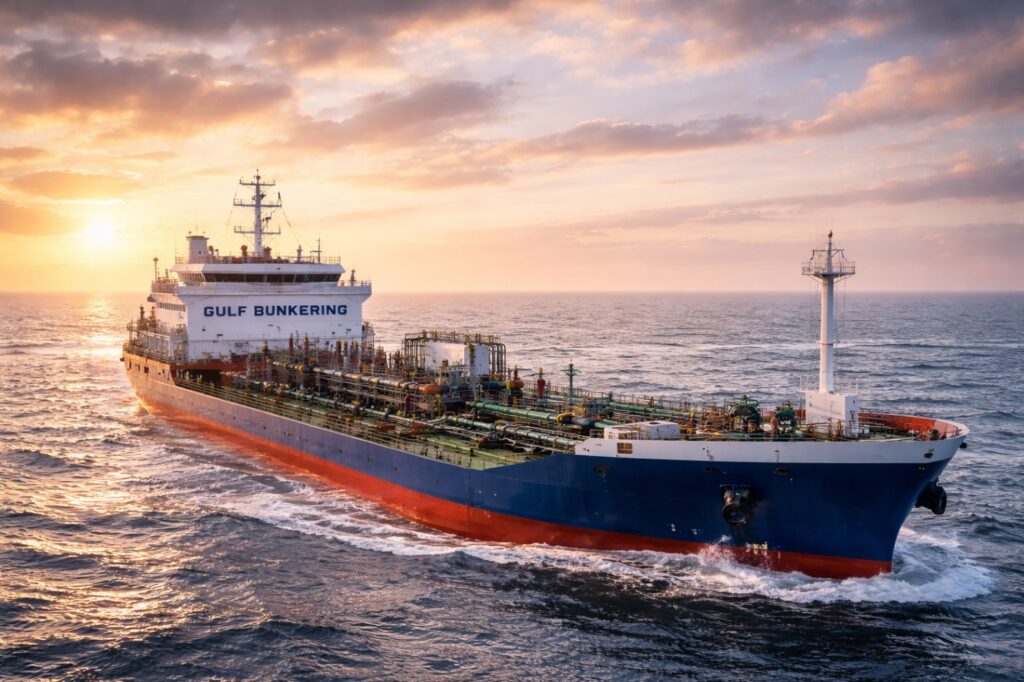
Capital Clean Energy Carriers (CCEC) and CMA CGM have joined forces to expand LNG marine fuel supply infrastructure, announcing a 50/50 joint venture to build and operate a dedicated LNG bunkering vessel, according to Ship & Bunker.
The partnership brings together a gas shipping specialist and one of the world’s largest container carriers — a combination that reflects growing industry momentum around LNG as a marine fuel.
A Significant Order with a Long-Term Charter in Place
As reported by Ship & Bunker, the newly formed joint venture has placed an order with China’s Nantong CIMC Sinopacific Offshore & Engineering for a 20,000 m³ dual-fuel LNG bunkering vessel, valued at $82.8 million. Delivery is scheduled for the third quarter of 2028.
Once operational, the vessel is expected to serve under a 12-year time charter with a separate joint venture between CMA CGM and French energy major TotalEnergies.
CCEC Steps Into Marine Fuel Supply
For CCEC, this marks a notable strategic shift. The vessel will be the company’s first dedicated marine fuel supply ship, representing its entry into the LNG bunkering segment.
“This joint venture marks CCEC’s entry into LNG bunkering — a natural extension of our gas platform from carriage into marine fuel supply,” CCEC CEO Jerry Kalogiratos said, as quoted by Ship & Bunker.
CMA CGM, meanwhile, already operates an expanding fleet of LNG-capable container vessels. Ship & Bunker notes that the company took delivery of a 24,212 TEU dual-fuel LNG container ship last month, underlining its ongoing commitment to LNG propulsion.
Does This Matter to You?
The commissioning of a new, purpose-built LNG bunkering vessel signals continued investment in LNG supply infrastructure at a time when the global fleet of LNG-fuelled vessels is still growing. As more shipowners adopt LNG propulsion, the availability and reliability of bunkering supply becomes an increasingly critical factor in route planning and fuel procurement decisions.
The 12-year charter arrangement with a CMA CGM and TotalEnergies joint venture also points to the kind of long-term commercial structures being built around LNG supply — structures that may shape how and where LNG bunkering capacity is concentrated in the years ahead.
The direct operational implications of this specific vessel will depend on where it is ultimately deployed, which has not yet been disclosed according to the source material.
Gulf Bunkering does not provide operational or security guidance. This article is for informational purposes only. Operators should consult flag state authorities, P&I clubs, and relevant advisories for decisions relating to transit planning.
Sources: Ship & Bunker