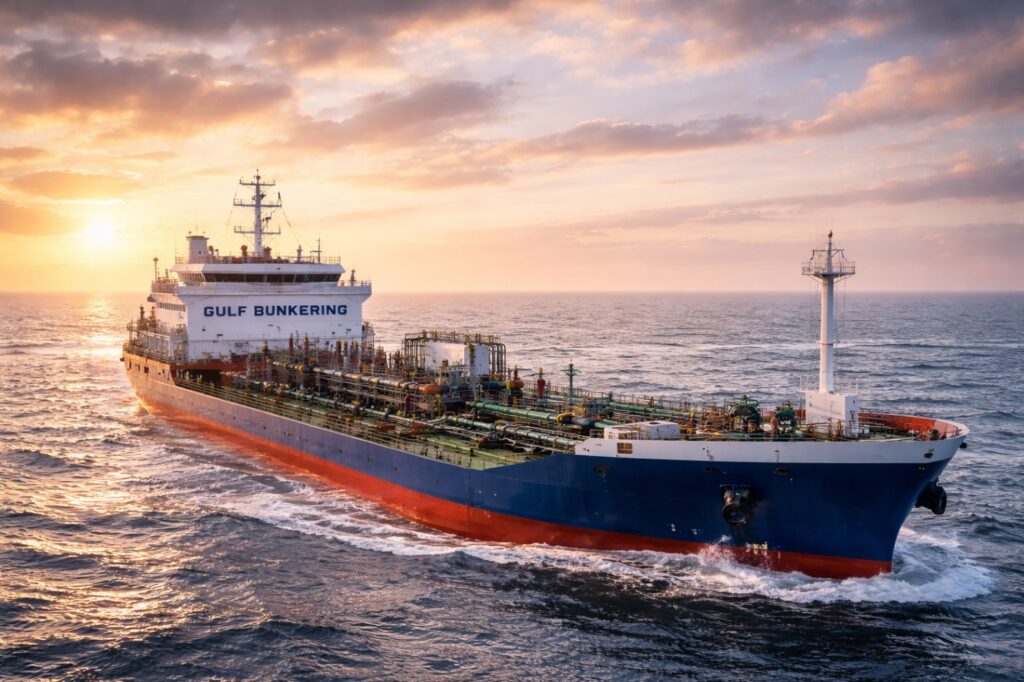
Despite the Strait of Hormuz being effectively closed for more than three months, oil volumes passing through the waterway have been higher than many anticipated — and prices have not spiked as sharply as initially feared.
According to ShippingWatch, a commodities strategist at JPMorgan has described the volume of oil still transiting the strait as “surprisingly” large. The report points to so-called ghost ships as a key factor enabling continued oil flows through the strategically critical chokepoint.
A Closure That Hasn’t Fully Closed
The strait, which sits between Oman and Iran and serves as the primary export route for Gulf oil producers, has been considered effectively shut for over three months. Yet market expectations of a significant oil price surge have not fully materialized, a development that has caught some analysts off guard.
ShippingWatch notes that ghost vessels — tankers operating outside conventional tracking and reporting norms — appear to be moving considerable oil volumes through the passage, helping to cushion supply disruptions that would otherwise be more acutely felt in global markets.
Does This Matter to You?
The continued movement of oil through the Strait of Hormuz, even amid a de facto closure, carries significant weight across the maritime and energy supply chain. Tanker routing, cargo insurance, and freight risk assessments are all directly tied to conditions in and around this waterway.
The role of ghost ships in sustaining these flows raises questions around sanctions compliance, vessel identification, and port acceptance of cargoes with opaque origin trails. For those involved in bunker supply, cargo trading, and port operations across the region, the evolving situation warrants close monitoring.
The IMO has also weighed in, with its chief reportedly expressing concern over continued ship traffic in the strait despite what ShippingWatch describes as “well-established risks.”
What Comes Next
While the current flow levels have helped moderate immediate price pressure, the sustainability of these workaround routes — and the broader implications for regional stability and energy supply — remains uncertain based on currently available reporting.
ShippingWatch continues to monitor developments in the strait, including the movement of Qatari LNG tankers and broader tanker activity across the region.
Gulf Bunkering does not provide operational or security guidance. This article is for informational purposes only. Operators should consult flag state authorities, P&I clubs, and relevant advisories for decisions relating to transit planning.
Sources: ShippingWatch