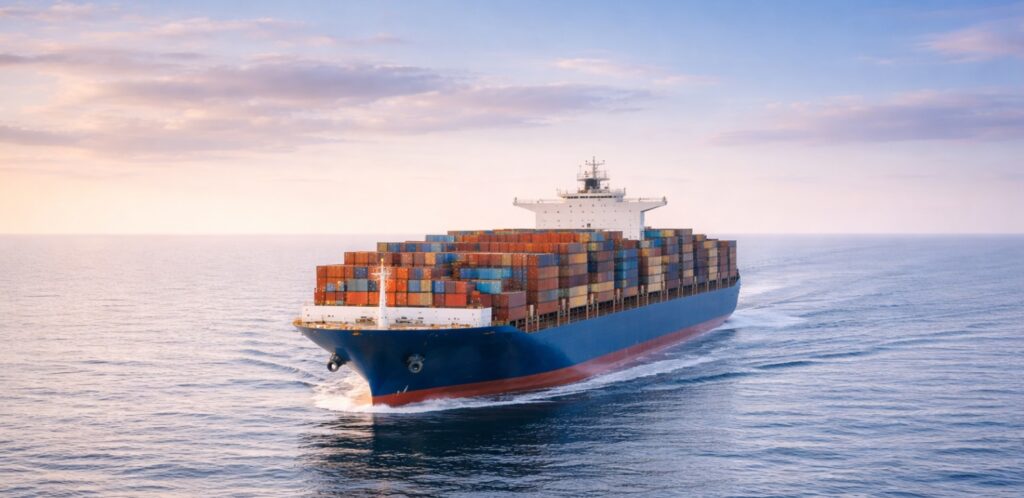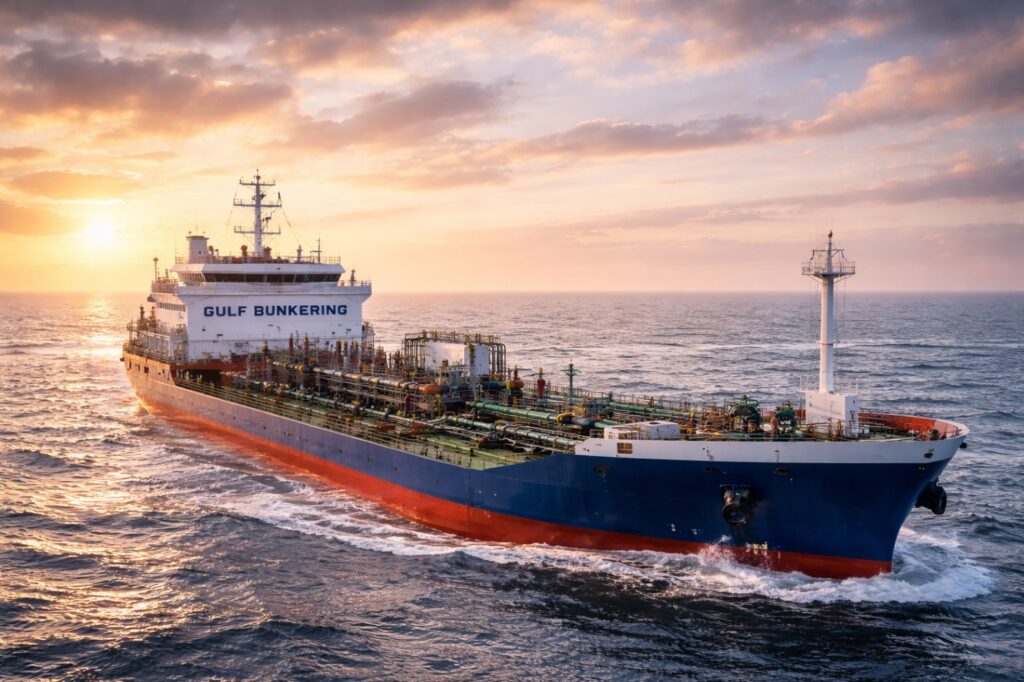
The head of the International Maritime Organization has voiced serious concern over the continued movement of cargo vessels through the Strait of Hormuz, a waterway where the dangers to seafarers and ships remain significant and widely understood.
According to ShippingWatch, IMO Secretary-General Arsenio Dominguez has expressed unease about the safety of seafarers who are being routed through the Strait of Hormuz despite the well-documented risk of attack in the region. The strait, a critical chokepoint for global energy and cargo flows, has drawn renewed scrutiny as vessel transits continue even in the face of these known hazards.
A Route That Cannot Be Ignored
The Strait of Hormuz holds a unique position in global maritime trade. A significant share of the world’s seaborne oil and LNG passes through this narrow passage between the Arabian Peninsula and Iran, making it one of the most strategically important — and at times, most dangerous — shipping corridors on earth.
ShippingWatch also reports that more tankers than expected appear to be continuing to pass through the strait, and that a fifth Qatari LNG tanker has recently departed the waterway, suggesting ongoing movement despite the geopolitical tensions that have made the area a focal point of maritime security concern.
Does This Matter to You?
For anyone operating in or around the maritime supply chain, the IMO chief’s public concern carries weight. When the head of the world’s primary international shipping regulator flags worry over a specific waterway, it signals that risk in that corridor is being treated seriously at the highest institutional level.
Vessels transiting the Strait of Hormuz are exposed to security risks that have real consequences for cargo integrity, crew safety, insurance coverage, and operational continuity. The fact that traffic continues despite these well-established risks — as noted by ShippingWatch — points to the economic pressures that make avoidance difficult or commercially unviable for many operators.
The ongoing flow of tankers, including LNG carriers, through the strait also has implications for global energy markets and the broader shipping industry, particularly for those tracking fuel supply routes and regional port activity.
Gulf Bunkering does not provide operational or security guidance. This article is for informational purposes only. Operators should consult flag state authorities, P&I clubs, and relevant advisories for decisions relating to transit planning.
Sources: ShippingWatch