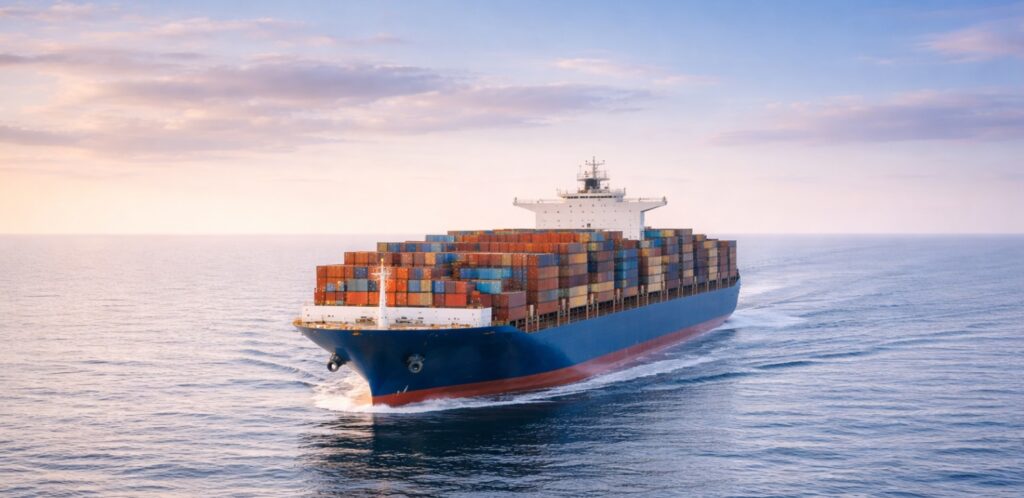
Mediterranean Shipping Company (MSC) and the Maritime and Port Authority of Singapore (MPA) have entered into a formal partnership, signing a memorandum of understanding focused on advancing green transition, digitalisation, innovation, and skills development across the maritime sector, according to a joint press release issued by the two partners.
What the Agreement Covers
The MOU outlines a range of specific areas of cooperation, including the development of new shipping routes, the adoption of alternative fuels, and improvements to port call efficiency. The agreement signals a structured commitment from both parties to address some of the most pressing challenges currently facing the global shipping industry.
MSC’s Chief Executive Officer, Søren Toft, underscored the strategic importance of the agreement, stating that “Singapore is a strategically important hub for MSC and a key gateway to the wider Asia region,” as quoted in the joint press release cited by ShippingWatch.
A Hub at the Centre of Maritime Ambition
Singapore’s role as one of the world’s busiest and most connected port hubs makes it a natural partner for initiatives of this kind. The MPA has consistently positioned Singapore as a leading maritime centre, and agreements such as this one reflect ongoing efforts to maintain that status in an industry undergoing significant transformation.
For MSC, the world’s largest container shipping line by fleet capacity, formalising ties with Singapore through this type of framework aligns with broader industry trends toward sustainability commitments and port-level coordination on decarbonisation and digital efficiency.
Does This Matter to You?
Developments at the intersection of major port authorities and large carriers carry weight across the maritime value chain. When a carrier of MSC’s scale and a hub of Singapore’s significance align on alternative fuels and port call efficiency, it can influence how bunkering demand evolves at one of the world’s most active refuelling locations. Shifts in fuel strategy or operational planning at Singapore could have downstream effects on fuel supply, scheduling, and port service expectations more broadly.
The specifics of how alternative fuels will be integrated, or which routes may be affected, have not yet been detailed publicly beyond what was included in the announcement reported by ShippingWatch.
Gulf Bunkering does not provide operational or security guidance. This article is for informational purposes only. Operators should consult flag state authorities, P&I clubs, and relevant advisories for decisions relating to transit planning.
Sources: ShippingWatch