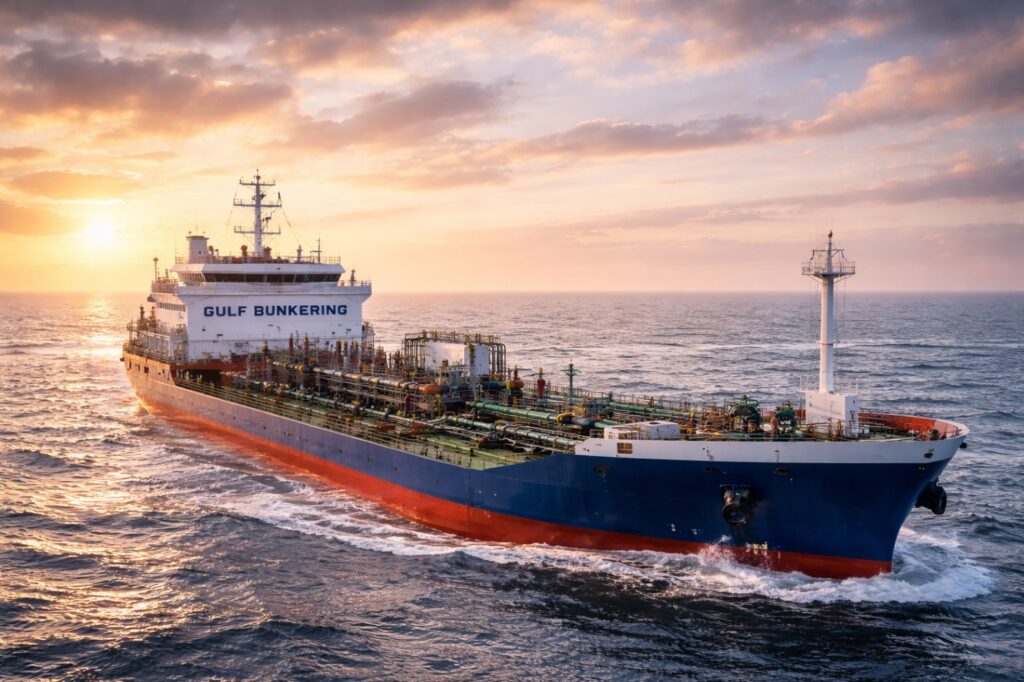
Carbon transport joint venture Northern Lights has officially named its newest wind-assisted CO2 carrier, Northern Phoenix, in a ceremony held in Bergen. According to Ship & Bunker, the purpose-built vessel is the latest addition to the company’s growing fleet dedicated to large-scale carbon capture and storage (CCS) shipping operations.
Purpose-Built for Europe’s CCS Infrastructure
As reported by Ship & Bunker, Northern Phoenix has been designed to carry liquefied CO2 from fertiliser producer Yara to the Northern Lights terminal located in Øygarden, Norway. Once delivered, the captured carbon will be stored permanently beneath the seabed — forming a critical link in what Northern Lights describes as the start of commercial cross-border CCS operations.
Northern Lights is a joint venture between three energy majors: Equinor, Shell, and TotalEnergies.
Fleet Growth and Industry Ambitions
The naming of Northern Phoenix represents the third vessel in the Northern Lights fleet, with the joint venture’s Managing Director Tim Heijn confirming that two ships are already in active service.
“With our first two ships already in operation, Northern Phoenix marks the next step in scaling our CO2 shipping capacity,” Heijn said, as quoted by Ship & Bunker. “We look forward to continuing to grow our fleet and enabling safe and reliable CO2 transport across Europe.”
Following the naming ceremony, the vessel will now move into final preparations ahead of entering commercial service, according to the report.
A Milestone for Cross-Border Carbon Shipping
The addition of Northern Phoenix highlights the growing momentum behind commercial CCS logistics in Europe, with Northern Lights positioning itself at the centre of liquefied CO2 transport infrastructure. The joint venture’s continued fleet expansion signals increasing confidence in the long-term viability of seaborne carbon transport as part of broader decarbonisation strategies.
Gulf Bunkering does not provide operational or security guidance. This article is for informational purposes only. Operators should consult flag state authorities, P&I clubs, and relevant advisories for decisions relating to transit planning.
Sources: Ship & Bunker