Swiss engine manufacturer WinGD has reached a significant milestone in alternative marine fuels, securing what it describes as the world’s first orders for dual-fuel ethanol engines designed for ocean-going ships, according to Ship & Bunker.
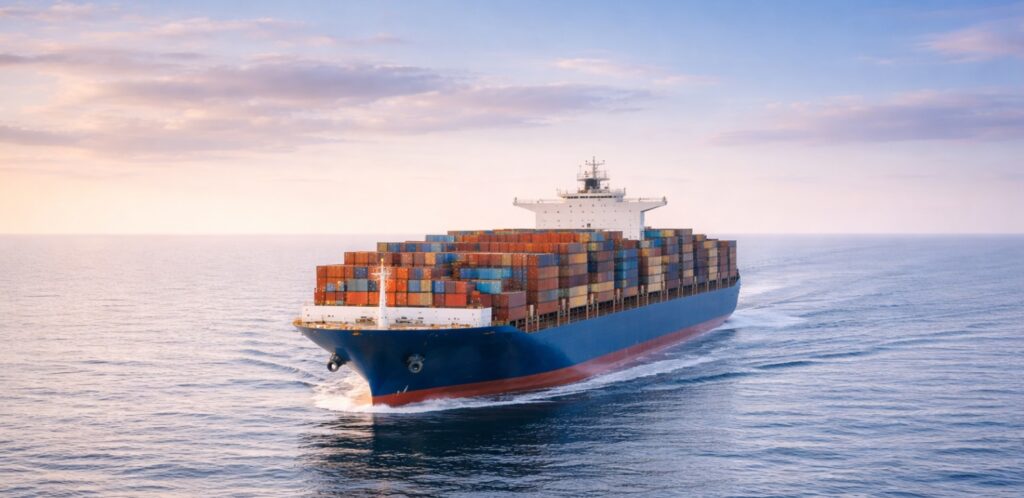
The engines will be installed aboard two 325,000 DWT Newcastlemax ore carriers currently under construction at Beihai Shipbuilding for Shandong Shipping Corporation. As reported by Ship & Bunker, the vessels will operate on long-term charters for Brazilian mining giant Vale.
Ethanol-Ready Engines Built on Proven Methanol Technology
Each of the two ships will be equipped with a six-cylinder dual-fuel engine configured to run primarily on ethanol. WinGD notes that the engine platform draws directly from its existing methanol-fuelled engine design, which is already in commercial service, with adaptations made to the fuel supply and injection systems to accommodate ethanol’s specific properties.
Engine deliveries are scheduled for early 2029, according to the report.
Vale’s Emissions Case for Ethanol
According to Ship & Bunker, Vale conducted studies suggesting that ethanol fuel could reduce greenhouse gas emissions by approximately 90% compared with heavy fuel oil, depending on the fuel source used.
Rodrigo Bermelho, director of shipping at Vale, was quoted by Ship & Bunker as saying:
“The adoption of ethanol as an alternative fuel is part of Vale’s strategy to combine flexibility and efficiency in the ships that transport our ore and places the company in a unique position for the energy transition in global shipping over the coming decades, whilst driving similar initiatives in the sector.”
Does This Matter to You?
This development is relevant to a broad cross-section of the maritime and shipping industry. For vessel operators, charterers, and fuel traders, the commercialisation of ethanol as a deep-sea marine fuel introduces a new alternative to consider alongside methanol, LNG, and ammonia in fleet decarbonisation planning.
For bunkering professionals and port operators, demand signals from large-scale ethanol-fuelled vessels — particularly those operating on major bulk trade routes such as Brazil-to-Asia iron ore trades — could influence future bunker fuel infrastructure investment decisions. Ethanol’s reported potential to significantly cut lifecycle emissions may also be of interest to those monitoring FuelEU Maritime compliance pathways and EU-ETS cost exposure for vessels trading in European waters.
The fact that WinGD’s ethanol engine design is derived from its established methanol platform may lower the barrier to adoption for owners and operators already evaluating dual-fuel newbuilds, as the technology carries a degree of operational precedent.
Gulf Bunkering does not provide operational or security guidance. This article is for informational purposes only. Operators should consult flag state authorities, P&I clubs, and relevant advisories for decisions relating to transit planning.
Sources: Ship & Bunker