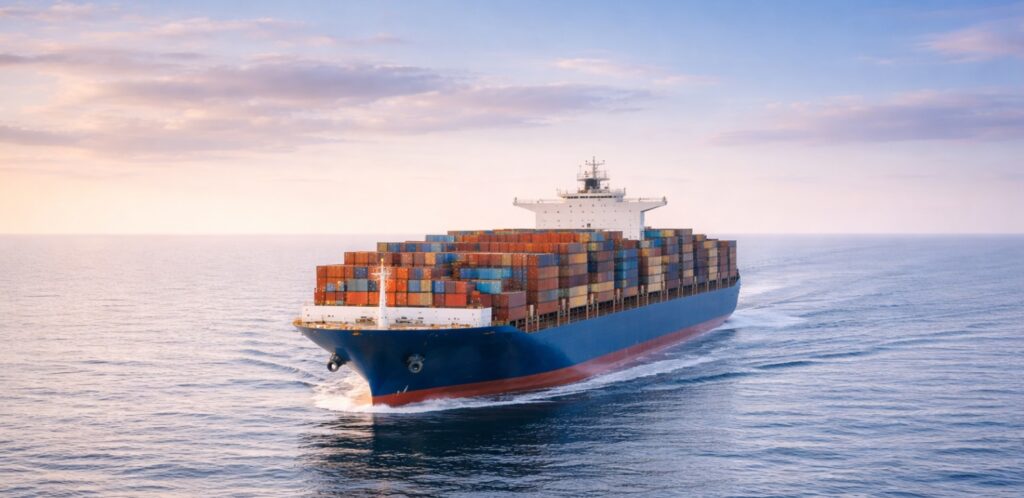
The Port of Rotterdam, Europe’s largest port, has posted stable results for the first half of the year even as container volumes declined, according to ShippingWatch. The port authority also announced new investments in power solutions for vessels at berth as part of its broader push toward greener operations.
Mixed Half-Year Performance
According to ShippingWatch, Rotterdam’s half-year figures show overall freight volumes holding steady, but container throughput specifically fell during the period. The report does not specify the exact percentage decline or provide detailed cargo breakdowns, though it confirms that the port’s overall financial and operational performance remained stable despite the softer container segment.
Rotterdam has long served as the largest port in Europe by cargo volume, a position that makes shifts in its performance closely watched across the shipping and logistics sectors, ShippingWatch notes.
Investment in Shore Power
Alongside the half-year results, ShippingWatch reports that the port is moving forward with new power solutions aimed at vessels while they are berthed. These investments are part of the port’s ongoing efforts to support greener energy use in port operations, though further technical or financial details of the initiative were not disclosed in the available reporting.
Shore power and similar berth-side energy solutions are typically aimed at reducing emissions from vessels that would otherwise rely on auxiliary engines while docked, a trend increasingly seen across major European ports as environmental regulations tighten.
Does This Matter to You?
Developments at the Port of Rotterdam carry weight for a wide range of maritime stakeholders given the port’s scale and role as a key European gateway. A decline in container volumes, even amid otherwise stable results, can signal shifting trade patterns that container lines, freight forwarders, and cargo owners may want to monitor.
The port’s investment in power solutions for berthed vessels is also relevant to vessel operators and charterers navigating an environment of increasing emissions regulation in European ports. As more ports adopt similar shore power infrastructure, operators calling at Rotterdam and comparable hubs may see changes in berth requirements or emissions compliance expectations over time.
Beyond these points, the source material does not provide further specifics on financial figures, volume percentages, or timelines for the new energy investments, so the full scope of impact remains unclear based on currently available reporting.
Gulf Bunkering does not provide operational or security guidance. This article is for informational purposes only. Operators should consult flag state authorities, P&I clubs, and relevant advisories for decisions relating to transit planning.
Sources: ShippingWatch