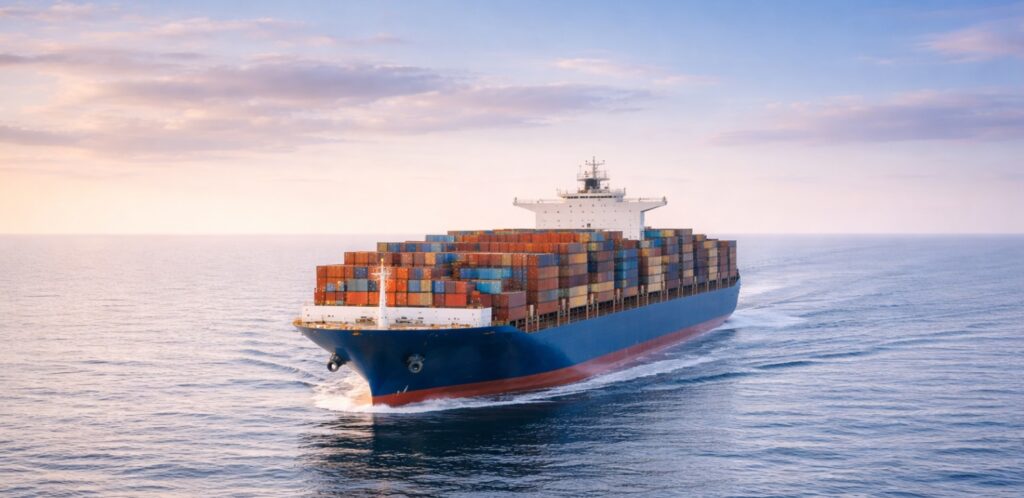
The Panama Canal has reduced the number of vessels allowed to transit each day due to insufficient rainfall in the region, according to ShippingWatch, citing a report from Ritzau.
The canal, one of the world’s most critical maritime trade routes, has already been forced to impose restrictions on vessel draft because of falling water levels, ShippingWatch reports. The latest measure, a reduction in daily transit numbers, comes as authorities continue to grapple with the impact of drought conditions on the waterway’s operations.
Water Levels Under Pressure
According to ShippingWatch, the drought has led to a drop in water levels along the canal, prompting the Panama Canal Authority to tighten operational limits. The report notes that draft restrictions were already in place before the latest decision to cut the number of daily transits.
Beyond these details, ShippingWatch’s report does not specify the exact number of transits being cut, the new draft limits, or a timeline for when conditions might improve. The source material does not provide further specifics on the scale or expected duration of the restrictions.
Does This Matter to You?
Reduced transit capacity through the Panama Canal has historically influenced global shipping schedules, given the canal’s role as a key link between the Atlantic and Pacific Oceans. Vessel operators and charterers routing traffic through the canal may face longer waiting times or need to adjust voyage planning as a result of fewer available transit slots.
For bunker traders and fuel suppliers, changes in canal throughput can affect vessel routing decisions, potentially influencing demand patterns at ports along alternative routes. However, ShippingWatch’s report does not detail the specific commercial or operational consequences of this latest restriction, so the direct impact on freight rates, congestion, or rerouting decisions is not yet clear based on the available information.
Those monitoring global trade flows and canal capacity may want to watch for further updates on water levels and any additional restrictions the Panama Canal Authority may introduce.
Gulf Bunkering does not provide operational or security guidance. This article is for informational purposes only. Operators should consult flag state authorities, P&I clubs, and relevant advisories for decisions relating to transit planning.
Sources: ShippingWatch (via Ritzau)