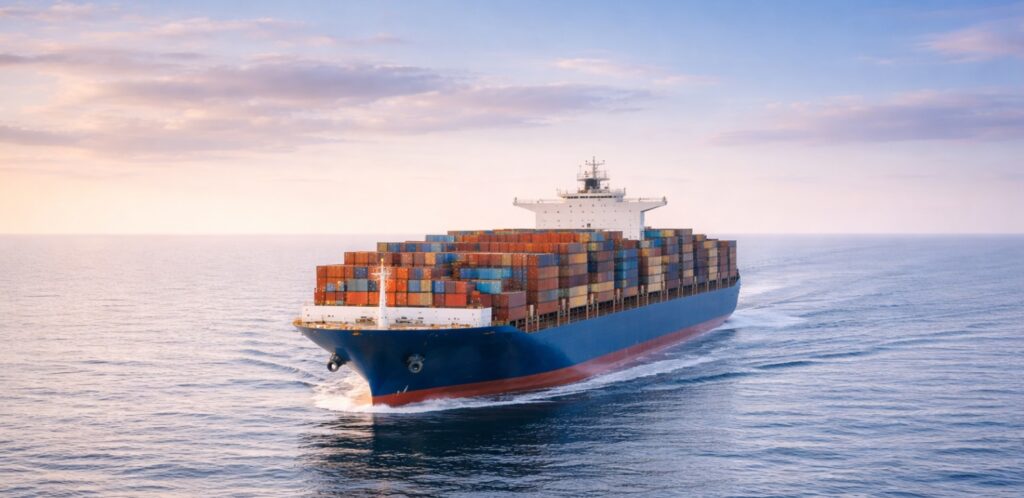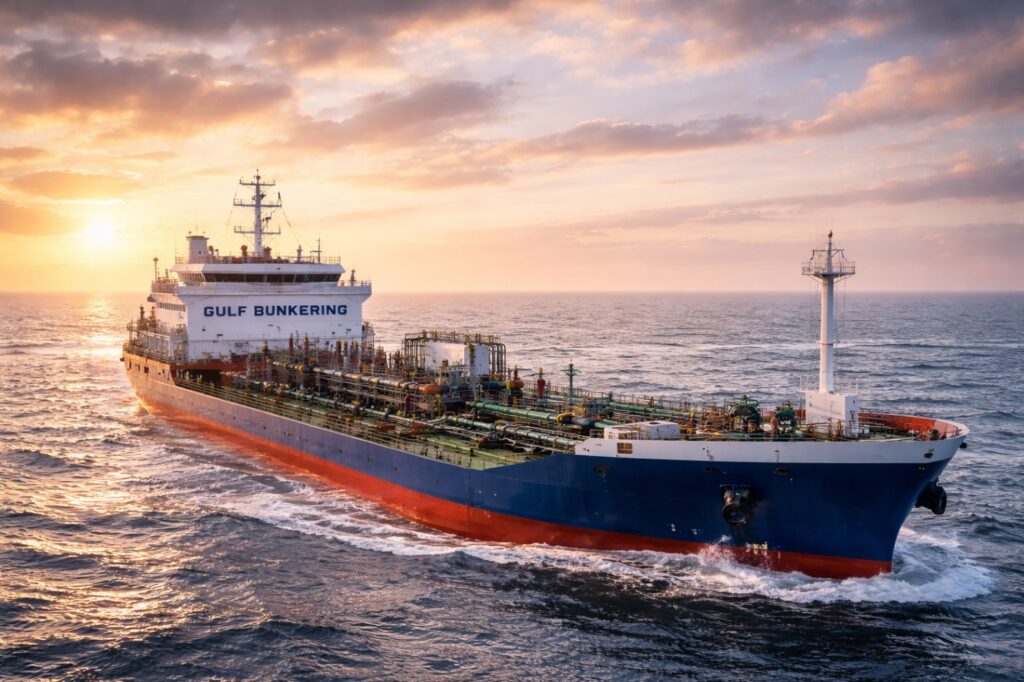
After nearly four months, movement through the Strait of Hormuz is resuming for some vessels, with Odfjell’s Norwegian-flagged chemical tanker Bow Saga among those exiting the Persian Gulf as part of a larger US-led operation, according to ShippingWatch.
Norwegian Carrier Makes the Move
Bergen-based Odfjell made the decision to transit the Bow Saga following a combination of factors, ShippingWatch reports. A growing number of successful transits by other vessels and revised risk assessments from trusted sources gave the company sufficient confidence to proceed.
The transit marks a notable development for one of Norway’s leading chemical tanker operators, which had been among the many shipping companies holding vessels in the region amid elevated security concerns.
Hormuz Disruptions Drive Rate Increases
Odfjell’s chief executive Harald Fotland addressed the financial impact of the Hormuz situation directly in an earnings release cited by ShippingWatch.
“The increase in ton-miles resulting from the disruptions in the Strait of Hormuz has led to a significant rise in rates in most markets. We expect underlying net income in the second quarter to be higher than in the first.”
The extended disruption period, now approaching four months, has reshaped trade patterns as vessels rerouted or waited, pushing ton-miles higher and supporting freight rates across multiple market segments.
A Broader Reopening in Progress
The Bow Saga’s transit is part of a wider picture. As ShippingWatch also reports, an estimated 11,000 seafarers and hundreds of ships are expected to depart the Persian Gulf through the Strait of Hormuz as the US-led operation expands its scope.
However, the path to full normalization is not without friction. Separate reporting from ShippingWatch notes that high insurance premiums continue to slow the pace of normalization, adding a financial layer of complexity even as the operational situation evolves.
Does This Matter to You?
The resumption of transits through the Strait of Hormuz carries wide implications across the maritime sector. Freight rates that surged during the disruption period may come under pressure as more tonnage becomes available on routes that were previously constrained or avoided entirely.
For those monitoring vessel positions, cargo flows, or market pricing, the gradual reopening represents a meaningful shift in the supply-demand balance that shaped the market over recent months. Insurance conditions, as flagged by ShippingWatch, remain an active variable that could affect the speed and economics of this normalization.
The broader outcome of the US-led operation, and how quickly additional vessels follow the Bow Saga’s example, will likely determine the trajectory of rates and route choices in the weeks ahead — though, as Odfjell’s CEO has cautioned in related reporting, the shipping industry has “been disappointed several times before” when it comes to Hormuz reopening expectations.
Gulf Bunkering does not provide operational or security guidance. This article is for informational purposes only. Operators should consult flag state authorities, P&I clubs, and relevant advisories for decisions relating to transit planning.
Sources: ShippingWatch