China’s Ningbo-Zhoushan Port has carried out the largest single-ship green methanol bunkering operation recorded in Zhejiang province, according to Ship & Bunker. The port supplied approximately 5,500 mt of green methanol to a single vessel on August 23, marking a new provincial benchmark for this alternative fuel.
Details of the Bunkering Operation
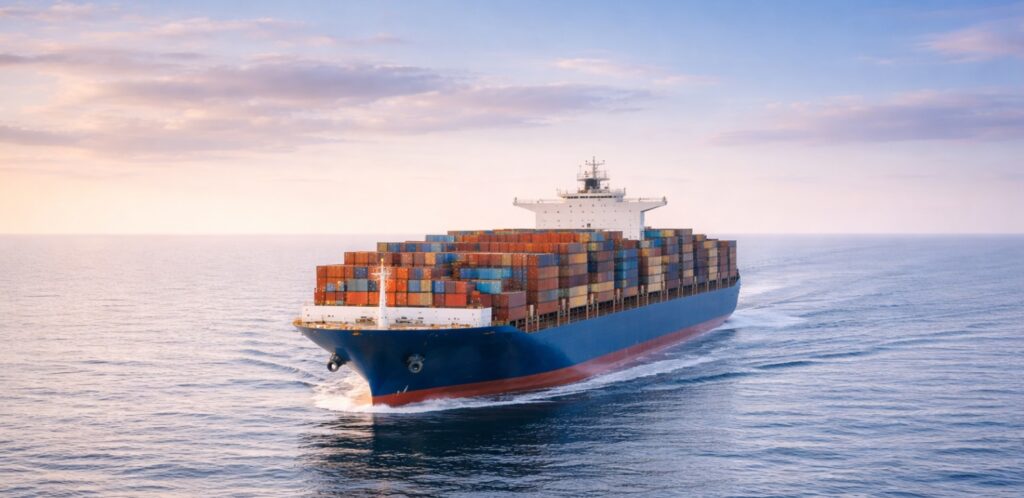
According to Ship & Bunker, citing information from the China (Zhejiang) Pilot Free Trade Zone, the bunkering took place at the Meishan Port Area and involved the methanol dual-fuel container ship Cosco Shipping Libra. The operation was supervised by Meishan Customs, a branch of Ningbo Customs.
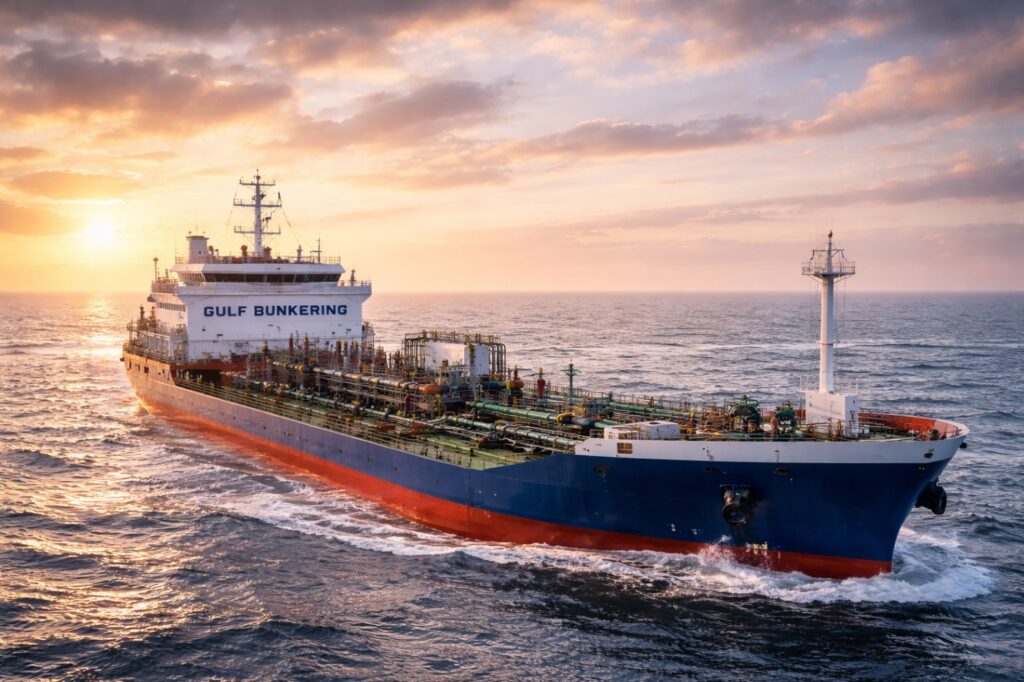
Ship & Bunker reports that the fuel was delivered by Zhongran Green Energy 85, described as China’s first dedicated methanol bunkering vessel. This vessel began operating at Ningbo-Zhoushan Port in July, according to the report.
Methanol’s Role in Marine Fuel Transition
Ship & Bunker notes that methanol is regarded as one of the more practical alternative fuels for shipping, partly because it can be handled using infrastructure that is relatively familiar compared with some other emerging marine fuel options. The report also states that the container shipping segment has led the way in placing orders for methanol-fuelled newbuild vessels.
Does This Matter to You?
This development may be relevant to those tracking the availability and scale-up of alternative marine fuel infrastructure in Asia. The deployment of a dedicated methanol bunkering vessel at Ningbo-Zhoushan Port, one of the world’s busiest ports, signals growing operational capacity for methanol refuelling in the region, according to the source material.
For operators of methanol dual-fuel vessels, particularly in the container segment where such newbuild orders have concentrated, this bunkering record may indicate expanding options for fuel supply along Asian trade routes. Charterers and fleet planners considering methanol-fuelled tonnage may find this relevant when assessing bunkering availability in Chinese ports. Beyond these points, the source material does not provide further detail on broader market implications or future supply plans.
Gulf Bunkering does not provide operational or security guidance. This article is for informational purposes only. Operators should consult flag state authorities, P&I clubs, and relevant advisories for decisions relating to transit planning.
Sources: Ship & Bunker