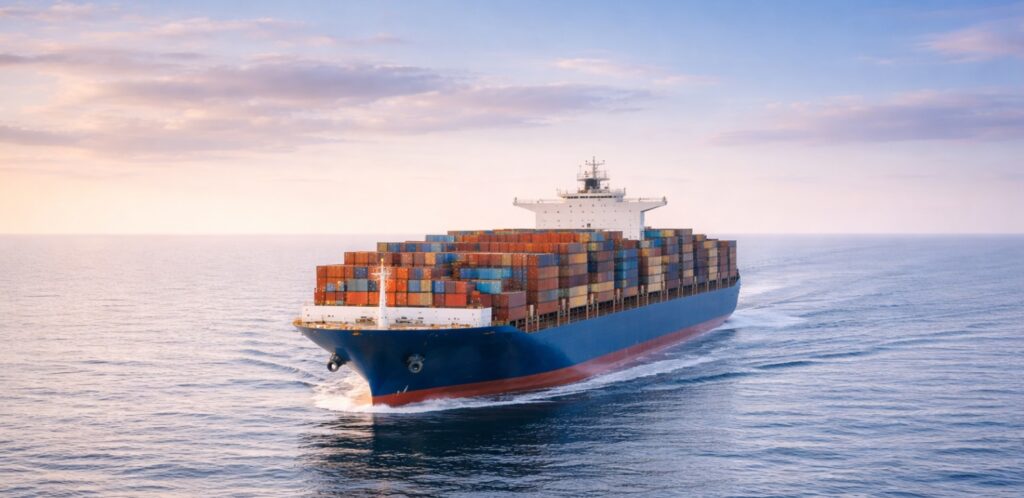
A.P. Moller-Maersk has extended its ethanol fuel trials to a larger vessel in its dual-fuel fleet, according to Ship & Bunker. The shipping firm bunkered the methanol dual-fuel container ship Antonia Maersk with 100% ethanol at APM Terminals Barcelona on July 9, marking a step up from earlier tests conducted on the smaller feeder vessel Laura Maersk.
Ship & Bunker reports that Maersk shared the update via a LinkedIn post on Wednesday, noting that the company is applying knowledge gained from its methanol operations to help build the procedures and infrastructure required for ethanol bunkering at additional ports. The firm said it is collaborating with port authorities and industry partners to support this expansion.
Why Ethanol and Methanol Go Hand in Hand
According to Ship & Bunker, ethanol is gaining traction as a viable alternative marine fuel alongside methanol due to shared chemical properties between the two alcohols. This compatibility means ethanol can be stored in the same tanks, blended with methanol in any ratio, and delivered using existing methanol bunkering infrastructure.
The report notes that adapting methanol dual-fuel engines to run on ethanol requires only minor modifications to software and injection valves, rather than a full infrastructure overhaul.
Maersk’s Broader Fuel Strategy
“Ethanol is one of several pathways we are exploring to diversify our low-emission fuel portfolio, with the ambition of enabling rapid uptake and helping create a new liquid marine fuel market,” Maersk said, as quoted by Ship & Bunker.
The company views ethanol as one of multiple fuel options that could help reduce shipping emissions, adding to the range of low-emission alternatives available to the industry.
Does This Matter to You?
This development may be relevant to those tracking the evolution of alternative marine fuels and bunkering infrastructure, particularly given the crossover potential between methanol and ethanol systems. Vessel operators already invested in methanol dual-fuel technology may find value in monitoring how easily that infrastructure could support ethanol as a supplementary or alternative fuel.
Port authorities and terminal operators involved in methanol bunkering development may also want to note Maersk’s collaborative approach, as similar partnerships could shape how ethanol bunkering capabilities are rolled out at additional locations. The source material does not specify a timeline for wider commercial availability of ethanol bunkering beyond the trials described.
Gulf Bunkering does not provide operational or security guidance. This article is for informational purposes only. Operators should consult flag state authorities, P&I clubs, and relevant advisories for decisions relating to transit planning.
Sources: Ship & Bunker