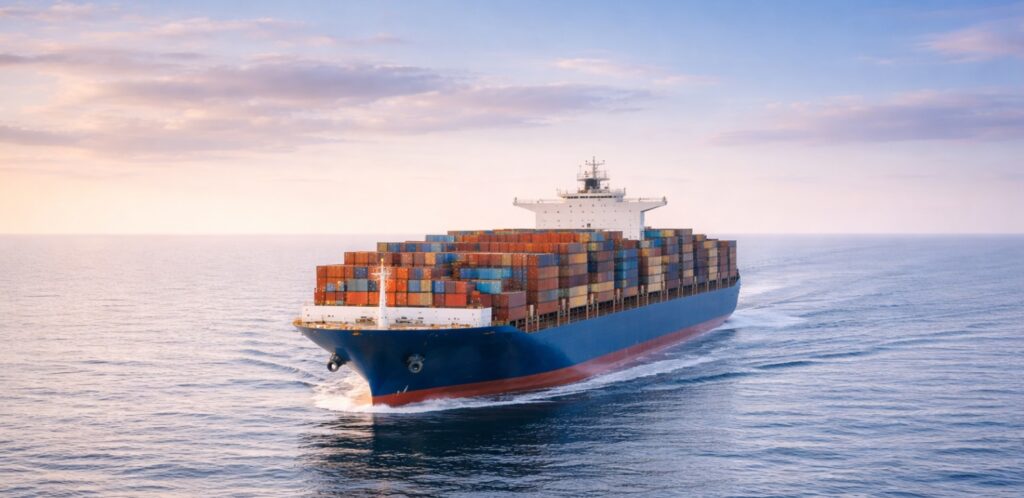
French shipping giant CMA CGM has officially named its newest large LNG-fuelled container vessel in a ceremony held in Le Havre, France, according to Ship & Bunker.
The vessel, christened CMA CGM Notre Dame, has a capacity of 24,212 TEU and is described by the company as the world’s largest LNG-fuelled container ship, Ship & Bunker reports, citing a CMA CGM LinkedIn post published on Thursday.
First of a Ten-Ship Series
According to Ship & Bunker, the CMA CGM Notre Dame is the first vessel in a planned series of ten sister ships, with deliveries scheduled to take place between 2026 and 2028.
This is not the first appearance of the vessel in Ship & Bunker’s coverage. The outlet notes that it had previously reported in May that the ship made its maiden port call at Yangshan on May 22.
LNG’s Role Amid Tightening Emissions Rules
Ship & Bunker notes that LNG continues to be a more widely available alternative marine fuel compared to options such as methanol or ammonia. However, the report also points out that LNG-fuelled vessels, including ships like the CMA CGM Notre Dame, may eventually need to shift toward lower-carbon fuel options such as bio-LNG as environmental regulations become stricter.
According to Ship & Bunker, bio-LNG can be used as a drop-in fuel on existing LNG-fuelled ships, meaning vessels would not necessarily require additional retrofitting to make that transition.
Does This Matter to You?
The naming of the CMA CGM Notre Dame reflects a continued expansion of LNG as a marine fuel option among major container lines. As CMA CGM adds nine more LNG-fuelled vessels to its fleet through 2028 according to Ship & Bunker, this could have implications for LNG bunkering demand at ports served by these vessels’ trade routes.
For those monitoring alternative fuel adoption trends, the report’s mention of bio-LNG as a compatible drop-in fuel is also relevant, as it suggests a potential pathway for LNG-fuelled vessels to reduce their carbon footprint without requiring new engine technology. However, the source material does not specify further details on cost, availability, or timelines for such a transition, so the direct operational or commercial impact remains unclear at this stage.
Gulf Bunkering does not provide operational or security guidance. This article is for informational purposes only. Operators should consult flag state authorities, P&I clubs, and relevant advisories for decisions relating to transit planning.
Sources: Ship & Bunker