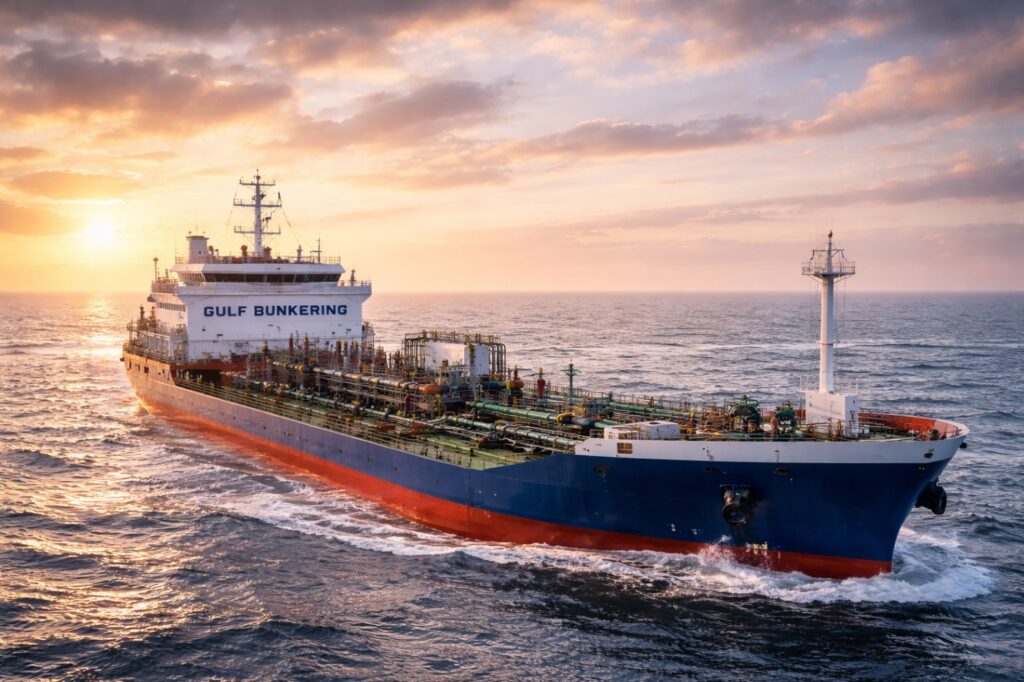
The head of one of the world’s largest LPG shipping companies is keeping a close eye on the Panama Canal, describing it as a significant variable that could reshape trade flows for gas carriers in the years ahead.
According to ShippingWatch, Kristian Sørensen, CEO of BW LPG, has characterized the Panama Canal as a “definite wild card” for the sector. The comments come as LPG shipowners continue to benefit from growing long-haul demand into Asia, a trend linked in part to the congestion and operational challenges facing the canal.
Newbuild Order Signals Long-Term Confidence
Despite the uncertainty surrounding the canal, BW LPG is pushing forward with fleet expansion. ShippingWatch reports that the company has placed an order for eight gas tankers valued at USD 940 million, a move that positions BW LPG to capture future cargo volumes as additional US gas export projects come online.
The investment reflects a broader industry bet on sustained demand for LPG transportation, particularly on long-haul routes connecting US export terminals to Asian markets.
Does This Matter to You?
The Panama Canal has long served as a critical chokepoint for LPG trade flows between the Atlantic and Pacific basins. When transit capacity tightens — whether from water level constraints, congestion, or geopolitical pressure — larger LPG tankers on long-haul routes can see improved utilization and stronger freight rates, as cargo is rerouted or voyages lengthen.
The combination of canal uncertainty and growing US LPG export capacity has direct implications for vessel routing decisions, voyage economics, and fuel consumption patterns. For those operating in or around LPG logistics chains, the direction of Panama Canal policy and capacity could meaningfully influence where and how cargoes move.
BW LPG’s newbuild program also signals that major players in the sector anticipate sustained demand, which in turn has implications for fleet supply dynamics and the competitive landscape across LPG shipping segments.
Gulf Bunkering does not provide operational or security guidance. This article is for informational purposes only. Operators should consult flag state authorities, P&I clubs, and relevant advisories for decisions relating to transit planning.
Sources: ShippingWatch