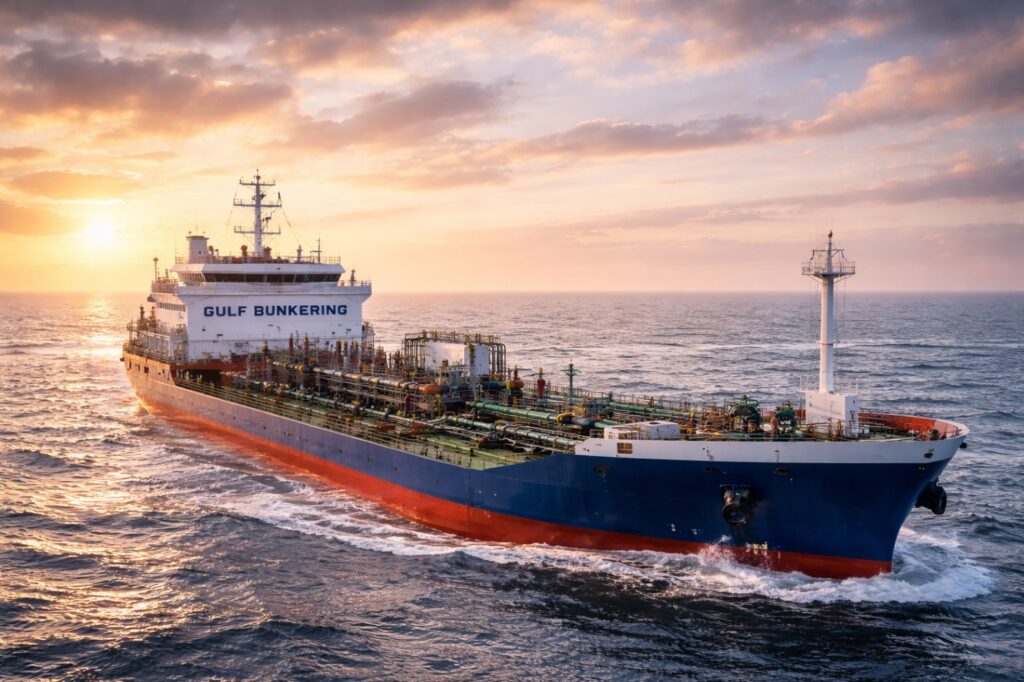
Rising bunker fuel costs driven by geopolitical conflict have exposed contractual risks that shipowners and charterers may be overlooking in their bunker fuel agreements, according to a viewpoint published by Ship & Bunker, authored by commercial lawyer Jaison Kallikkanathu John and maritime industry veteran Danish Shadab.
The authors note that the US-Iran conflict of late February 2026 triggered a sharp spike in bunker prices. According to Ship & Bunker, VLSFO prices in Singapore more than doubled from a pre-war baseline of roughly USD 521.5 per tonne to a peak of USD 1,100 to 1,120 per tonne by mid-March 2026, marking an increase of 110% to 115% within weeks. By September 2026, prices had eased but remained elevated at an average of USD 863 per tonne, about 65% above pre-war levels, the report states. The article also points to the Houthis’ capture of the Bab al-Mandeb Strait on September 10, 2026, as a factor that may further strain supply.
Two Contractual Risks Highlighted
The authors identify liquidated damages clauses as a key concern. Many bunker seller-issued agreements include uncapped interest for late payment, which, as fuel costs and interest rates rise, could theoretically exceed the value of the fuel itself, according to the article. The authors note that courts in multiple jurisdictions—including England, various US states, and certain civil law systems—may refuse to enforce such clauses if they are deemed penalties rather than genuine estimates of loss. They suggest that stipulating a maximum limit on liquidated damages offers the safest contractual approach.
The second risk concerns fuel contamination. Ship & Bunker references a 2022 incident in Singapore, where high sulphur fuel oil was found contaminated with cyclic petrochemical oils, reportedly affecting several hundred vessels and causing damage ranging from clogged filters to main engine failures. A separate contamination incident involving petroleum naphtha in Houston is also cited. The authors explain that advanced testing methods, such as Gas Chromatography-Mass Spectrometry, may help detect contamination but often require more time than the 7-to-15-day windows typically allowed in supplier contracts for raising quality claims, potentially preventing valid claims from being pursued in time.
Proposed Safeguards
According to the article, buyers can reduce exposure by negotiating framework agreements with bunker sellers, which lock in contractual principles in advance and speed up individual purchase transactions. Where framework agreements aren’t practical, the authors recommend that buyers plan bunker purchases well ahead of time to allow sufficient negotiation, rather than relying on last-minute deals that limit the ability to address contractual risk.
Does This Matter to You?
The issues raised may be relevant to parties involved in negotiating or executing bunker fuel supply contracts, particularly during periods of price volatility. According to the source material, uncapped interest clauses and short claim-notification windows can create financial and legal exposure that becomes more pronounced when fuel prices are elevated, as they have been following the events described in the article. The report suggests that reviewing contract terms in advance, rather than after a dispute arises, may help buyers manage these risks more effectively.
Gulf Bunkering does not provide operational or security guidance. This article is for informational purposes only. Operators should consult flag state authorities, P&I clubs, and relevant advisories for decisions relating to transit planning.
Sources: Ship & Bunker