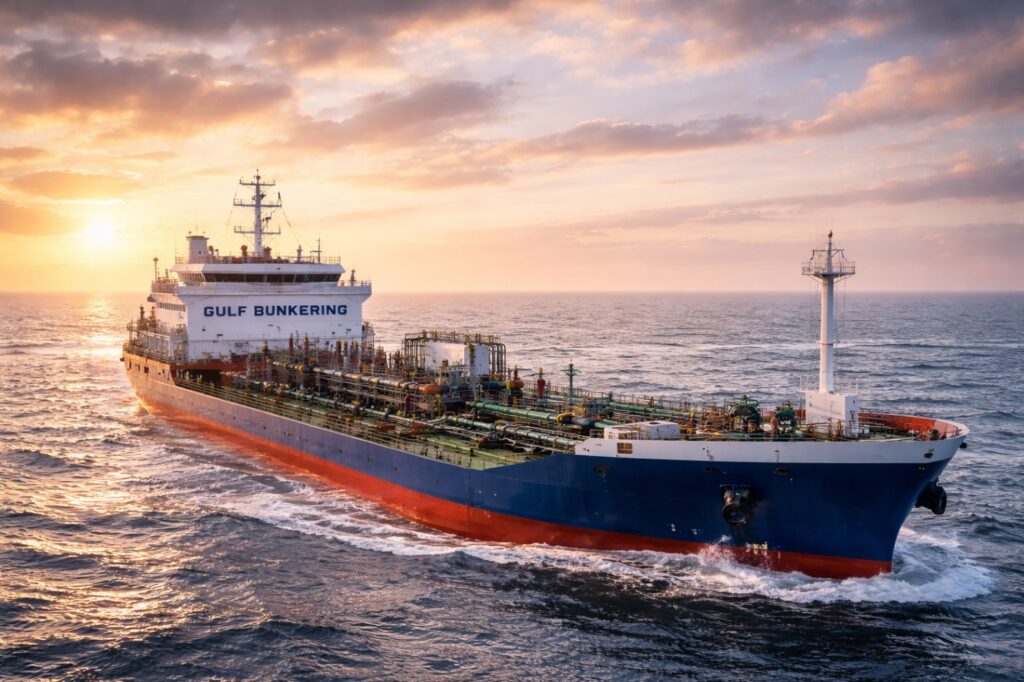
A coordinated proposal from Argentina, Panama, and Liberia is urging the International Maritime Organization (IMO) to rethink its Net-Zero Framework (NZF) — with the three nations advocating for a more market-grounded approach that keeps transitional fuels such as LNG firmly in the picture.
Joint Submission Flags Compliance and Availability Concerns
According to Ship & Bunker, the three countries filed a formal submission to the IMO’s Maritime Environment Protection Committee on March 4, raising concerns that current NZF proposals could inadvertently penalise fuels like LNG and marine biofuels — even as those fuels offer meaningful emissions reductions in the near term. The submission also highlights the challenge of rising compliance costs and the limited commercial readiness of zero-emission fuel alternatives.
A Revised Fuel Intensity Framework
At the heart of the proposal is a redesigned Global Fuel Intensity (GFI) framework, as reported by Ship & Bunker. Under this model, emissions reduction targets would be calibrated against the real-world uptake of commercially viable low-carbon fuels, rather than aspirational benchmarks alone.
To be counted under the framework, fuels would need to satisfy three core criteria: affordability, availability, and scalability. The affordability threshold is particularly notable — a fuel would only qualify if its cost falls within 15% of the prevailing market rate for conventional marine fuels, a condition designed to keep LNG competitive throughout the energy transition.
A 30-Year Decarbonisation Trajectory
Ship & Bunker also reports that the proposal outlines a linear 30-year emissions intensity pathway, moving gradually from the current fuel mix toward the cleanest commercially available option. The structured timeline is intended to offer shipowners and bunker fuel suppliers a degree of long-term certainty for investment and planning.
Rather than establishing an IMO-managed fund, the proposal favours market-based compliance tools, including credit trading mechanisms, the ability to bank surplus credits, and limited borrowing provisions.
MEPC 84 on the Horizon
The joint submission arrives ahead of the 84th session of the Marine Environment Protection Committee (MEPC 84), which is scheduled to convene from April 27 to May 1, according to Ship & Bunker.
Gulf Bunkering does not provide operational or security guidance. This article is for informational purposes only. Operators should consult flag state authorities, P&I clubs, and relevant advisories for decisions relating to transit planning.
Sources: Ship & Bunker