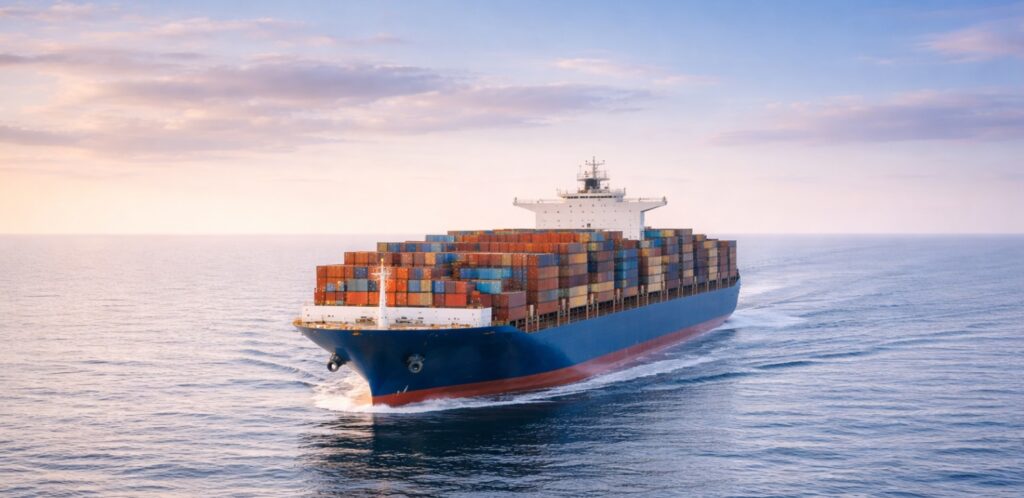
German container shipping line Hapag-Lloyd consumed approximately 2.4 million mt of bunker fuel across its fleet during the first half of 2026, marking a 3.5% decline compared to the same period last year, according to Ship & Bunker.
Despite the drop in consumption volume, the company’s overall bunker and emissions expenses climbed to €1.32 billion in 1H 2026, an increase of €20.6 million year-on-year. Ship & Bunker reports this rise was largely attributed to higher fuel prices rather than increased usage.
Rising Prices Offset Lower Consumption
According to the half-yearly financial report cited by Ship & Bunker, Hapag-Lloyd’s average bunker price reached $592 per metric ton in the first half of 2026, up from $542/mt during the same period in 2025. This price increase appears to have outweighed the benefits of reduced fuel consumption in terms of overall cost impact.
Adding to the financial pressure, expenses related to EU emissions allowances rose sharply to €96 million in 1H 2026, compared to €67.7 million a year earlier, Ship & Bunker notes.
Operational Disruptions Cited
Hapag-Lloyd attributed much of the half-year’s challenges to external factors. “A challenging market environment and operational disruptions characterised the first half of 2026 and weighed on revenue and earnings performance,” the company said, as quoted by Ship & Bunker.
The report specifically pointed to weather-related disruptions early in the year and what the company described as the “effective closure of the Strait of Hormuz” from the end of February. According to Ship & Bunker, this closure led to higher transport expenses within the Liner Shipping segment and negatively affected volume growth.
Investment in Methanol Retrofits
Looking toward decarbonization efforts, Hapag-Lloyd disclosed plans to invest €57.1 million in retrofitting five container ships with methanol-fuelled engines, Ship & Bunker reports.
Does this matter to you?
For those tracking bunker demand trends and fuel cost exposure among major container carriers, Hapag-Lloyd’s figures offer a data point on how disruptions such as the Strait of Hormuz situation are translating into operational and financial impacts for liner operators. The reported rise in average bunker prices, combined with lower consumption, reflects broader market dynamics that bunker suppliers, traders, and vessel operators may find relevant when assessing fuel demand and pricing trends across the container shipping sector. The company’s investment in methanol retrofits also signals continued movement toward alternative fuel adoption among major carriers, which may be of interest to those monitoring the pace of fleet decarbonization.
Gulf Bunkering does not provide operational or security guidance. This article is for informational purposes only. Operators should consult flag state authorities, P&I clubs, and relevant advisories for decisions relating to transit planning.
Sources: Ship & Bunker