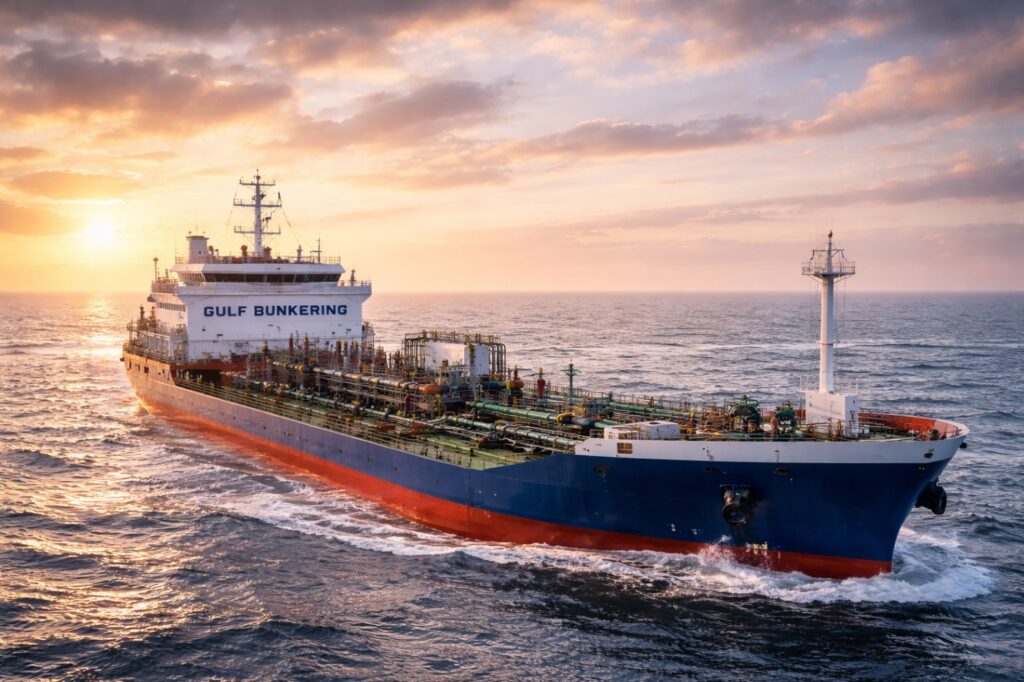
Iran has reported that it attacked three oil tankers in the Strait of Hormuz, according to ShippingWatch, citing Ritzau. Iranian authorities stated that the vessels had violated maritime rules and ignored warnings before the strikes took place.
What Happened
According to the ShippingWatch report, Iran said the three oil tankers failed to comply with regulations while transiting the strategically vital waterway. The report notes that the ships were warned prior to being attacked, though further details on the nature of the violations, the identities of the vessels, or the extent of any damage were not disclosed in the available source material.
The Strait of Hormuz is one of the world’s most critical chokepoints for seaborne oil transport, connecting the Persian Gulf to the Gulf of Oman and the wider Indian Ocean. Any reported military action involving tankers in this corridor draws close attention from the global shipping and energy sectors.
ShippingWatch’s coverage of the incident appears alongside related reporting noting that tanker freight rates have been rising sharply as a wider conflict involving Iran has spread, and that oil prices had fallen to their lowest level in over a week following a pause in US attacks on Iran. These developments point to a volatile and fast-moving situation in the region, though the source material does not provide further specifics linking these events directly to the tanker attacks.
Does This Matter to You?
Reports of attacks on oil tankers in the Strait of Hormuz are relevant to those monitoring maritime risk, vessel routing, and freight markets in the Gulf region. According to ShippingWatch, tanker freight rates have already been climbing as tensions tied to the conflict involving Iran have widened, suggesting that incidents in this corridor can have a measurable market impact.
Beyond the freight rate movements noted in the related coverage, the source material does not detail further operational consequences, such as specific rerouting advisories or insurance implications. The direct impact on bunkering operations or vessel scheduling is not addressed in the available reporting, and further verified details would be needed to assess the full scope of the situation.
Gulf Bunkering does not provide operational or security guidance. This article is for informational purposes only. Operators should consult flag state authorities, P&I clubs, and relevant advisories for decisions relating to transit planning.
Sources: ShippingWatch (via Ritzau)