EU member states have agreed on a new round of sanctions targeting Russia, marking the 21st such package since Russia’s invasion of Ukraine in February 2022, according to Ritzau. The agreement was reached on Thursday morning and confirmed by European Commission President Ursula von der Leyen via a post on social media platform X.
Expanded Financial and Trade Restrictions
According to Ritzau, the new sanctions package adds 32 additional Russian banks to the EU’s restricted list, barring European companies and individuals from transferring funds to these institutions. The package also targets cryptocurrency platforms and oil trading platforms linked to Russia.
Von der Leyen stated, “I welcome the agreement on the 21st sanctions package against Russia,” as reported by Ritzau.
Oil Price Cap Frozen
Ritzau reports that the EU will freeze its existing price cap on Russian oil for an initial one-year period, during which time the bloc will not adjust the cap. The measure is intended to prevent Russia, a major oil producer, from benefiting from potential increases in oil market prices during this period.
Shadow Fleet and Personnel Sanctions
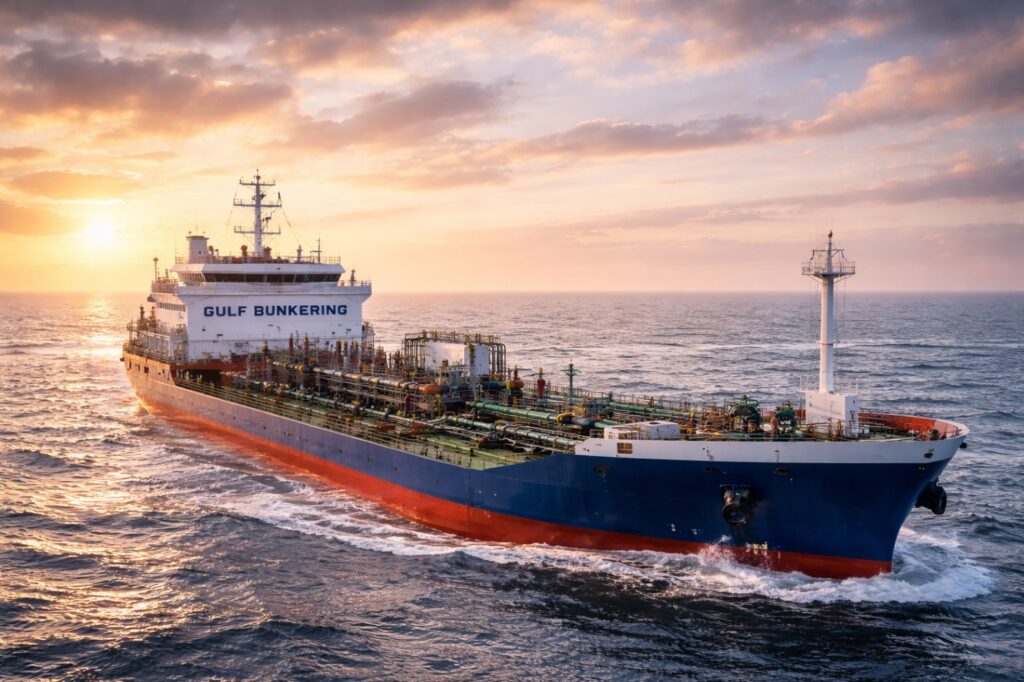
The package additionally imposes sanctions on vessels associated with Russia’s so-called shadow fleet, according to Ritzau. The EU is also prohibiting Russian soldiers from entering the bloc as part of the agreement. Ritzau notes that this sanctions package concludes an extended period of internal EU debate and negotiation over the measures.
Does this matter to you?
The continued expansion of EU sanctions against Russia, particularly the targeting of vessels linked to the shadow fleet and additional Russian banks, may affect parties involved in oil trading, ship financing, and vessel operations connected to Russian cargo flows. Compliance teams, charterers, and traders handling routes or counterparties with potential Russian exposure may need to review updated sanctions lists to ensure adherence to EU restrictions.
The freezing of the oil price cap mechanism for a year could also be relevant to those monitoring Russian oil trade dynamics and associated shipping activity, as the source indicates this is intended to limit Russia’s ability to benefit from price fluctuations. Beyond these specific points confirmed by Ritzau, the broader operational impact on shipping and bunkering activity is not detailed in the source material.
Gulf Bunkering does not provide operational or security guidance. This article is for informational purposes only. Operators should consult flag state authorities, P&I clubs, and relevant advisories for decisions relating to transit planning.
Sources: Ritzau (via ShippingWatch)