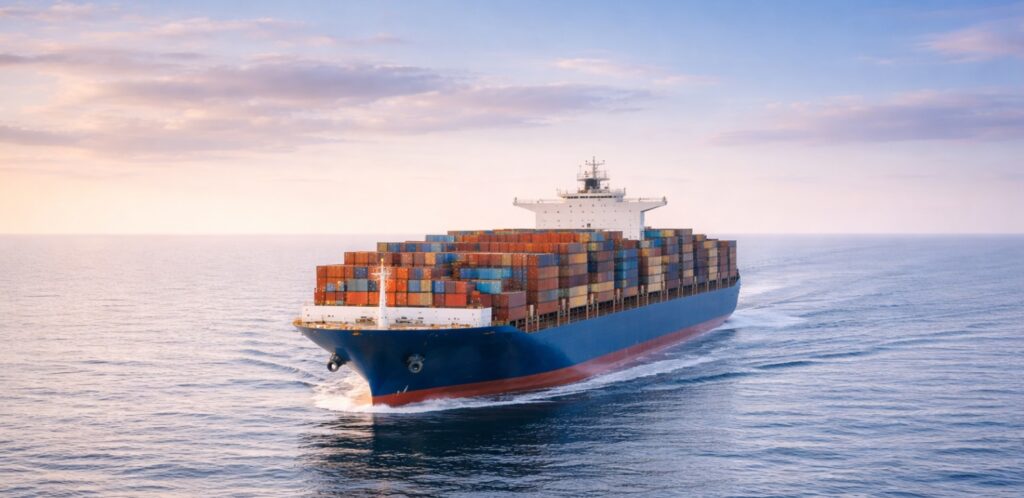
Tanker operator Hafnia has stated it will not resume transits through the Strait of Hormuz until it can verify that doing so is safe, even as diplomatic signals between the US and Iran have grown more positive, according to ShippingWatch.
While Hafnia has expressed support for a potential peace agreement between Iran and the United States, the company is taking a cautious stance before committing vessels to the strategically critical waterway. According to ShippingWatch, the tanker major has indicated that the market is expected to remain characterized by inefficiency and volatility for some time, even after the strait reopens.
Caution Across the Tanker Sector
Hafnia is not alone in its hesitation. ShippingWatch reports that several other major players in the tanker and container shipping industries are adopting similarly measured positions:
- Odfjell’s CEO has noted that the industry has “been disappointed several times before” when it comes to Hormuz developments.
- Maersk is maintaining a wait-and-see approach regarding the strait.
- Nippon Yusen and peers are reported to be seeking further details on any reopening plans before taking action.
- Tanker executives broadly have communicated that they need to see “more than just an agreement on paper” before resuming normal operations.
A Strait Under Scrutiny
The Strait of Hormuz is one of the world’s most critical chokepoints for energy flows, and any disruption to transit through it carries significant implications for global oil supply chains and shipping logistics. According to ShippingWatch, even Mitsui’s chief executive expects a weeks-long wait before the strait is fully operational again for commercial shipping.
Hapag-Lloyd, meanwhile, was reported by ShippingWatch to be preparing a full exit of its ships from the strait over the weekend, suggesting that some operators are actively repositioning assets in response to the ongoing uncertainty.
Does This Matter to You?
The situation in the Strait of Hormuz carries direct weight for anyone involved in tanker operations, cargo planning, voyage risk assessment, or energy logistics. With multiple major tanker and container lines holding off on normal operations, route planning and freight rate volatility are likely to remain in flux.
As ShippingWatch notes, the tanker market is expected to remain inefficient and volatile even after conditions improve — meaning the disruption is not simply a short-term concern that resolves the moment a diplomatic agreement is reached. Bunker demand patterns, voyage lengths, and regional supply dynamics in the Gulf and Indian Ocean could all be affected depending on how long the uncertainty persists.
The IMO’s Secretary-General Arsenio Dominguez has welcomed the US-Iran peace agreement, according to ShippingWatch, but operational caution across the industry signals that commercial confidence in Hormuz transits has not yet been restored.
Gulf Bunkering does not provide operational or security guidance. This article is for informational purposes only. Operators should consult flag state authorities, P&I clubs, and relevant advisories for decisions relating to transit planning.
Sources: ShippingWatch