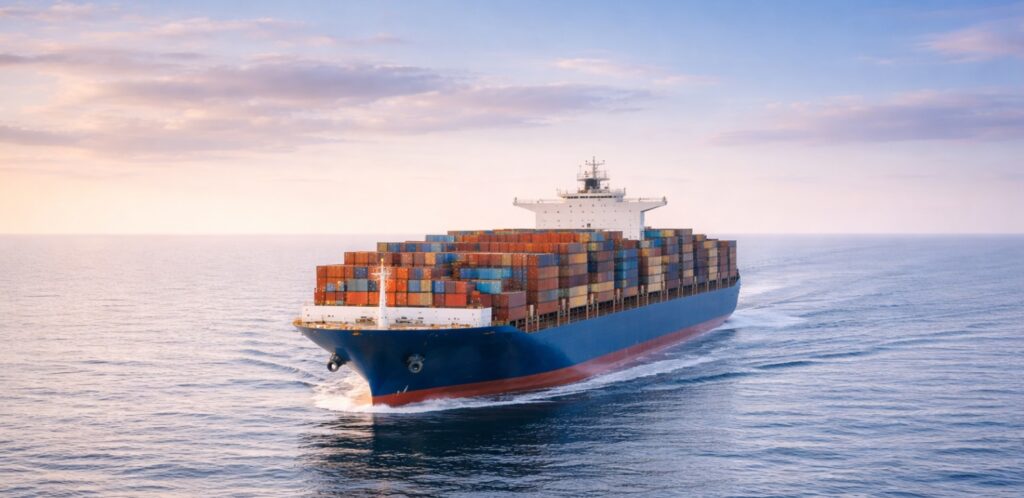
The Panama Canal Authority (ACP) has announced a reduction in the maximum authorised draft for vessels transiting its Neopanamax locks, set to take effect on July 3, 2026. According to Ship & Bunker, the measure is part of the canal’s broader water management strategy as authorities prepare for the potential development of an El Niño weather pattern.
What Is Changing
Effective July 3, the maximum authorised draft for Neopanamax lock transits will be lowered to 15.09 metres (49.5 feet). The ACP communicated the change to operators in a note dated June 4, citing current and projected water levels in Gatun Lake — the primary freshwater reservoir that supplies water for canal operations.
The El Niño Factor
El Niño is a recurring climate phenomenon driven by warmer-than-average sea surface temperatures in the tropical Pacific. As Ship & Bunker reports, it typically brings drier conditions to Panama, which can significantly reduce freshwater inflows into the reservoirs that keep the canal operational.
The ACP stated the decision reflects both current hydrological conditions and the need to prepare for possible further deterioration in water levels should El Niño develop in the coming months. The authority added that it will continue monitoring lake levels and hydrological forecasts, with further operational adjustments to be announced if conditions require.
Does This Matter to You?
Draft restrictions on the Panama Canal have immediate practical consequences throughout global shipping. When maximum draft limits are reduced, larger vessels — particularly those operating at or near capacity — may be required to reduce cargo loads in order to comply with the new limit.
As noted by Ship & Bunker, vessel categories that could be directly affected include container ships, LNG carriers, LPG vessels, and bulk carriers that regularly use the Neopanamax locks. For trades dependent on Panama Canal routing, adjusted draft limits can influence scheduling, cargo planning, freight economics, and bunkering requirements at relevant ports.
The situation echoes conditions seen during the 2023–2024 drought period, when severe restrictions significantly disrupted global shipping flows through the waterway. Whether this round of restrictions intensifies will depend on how El Niño conditions evolve over the coming months, according to the ACP.
Parties involved in voyages transiting the canal — including owners, operators, charterers, and cargo interests — are advised to monitor ACP advisories closely as the July 3 date approaches.
Gulf Bunkering does not provide operational or security guidance. This article is for informational purposes only. Operators should consult flag state authorities, P&I clubs, and relevant advisories for decisions relating to transit planning.
Sources: Ship & Bunker