Spain’s SUARDIAZ Group has taken a notable step in the alternative marine fuels space, with its marine fuels division SUARDIAZ Energy signing an agreement to deploy a newly acquired chemical tanker in support of energy firm Moeve’s bunkering operations across European ports.
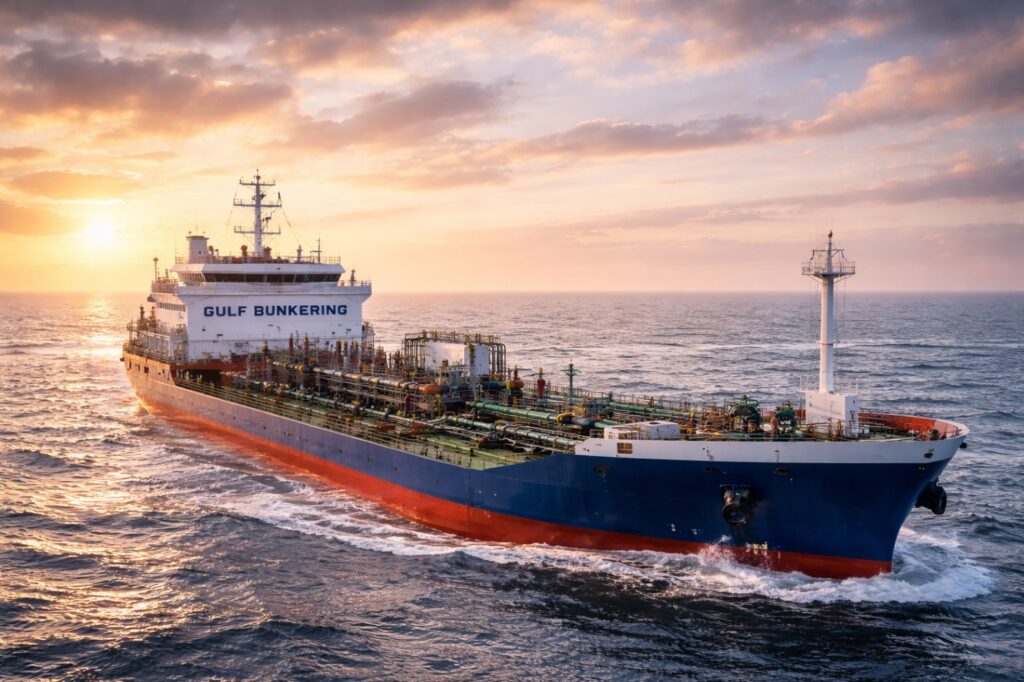
According to Ship & Bunker, the vessel — an IMO2 chemical tanker named RS Onza — was delivered to SUARDIAZ in Singapore and is already active at ports primarily in Spain, operating on behalf of Moeve. Among its key capabilities, the tanker is equipped to supply methanol to vessels, positioning it as part of the growing infrastructure supporting cleaner marine fuel alternatives.
A Vessel Built for New Fuel Demands
The RS Onza is described in the company’s press release as being fitted with the latest technology for the transport and delivery of new fuels. Fernando Barreras, Director of SUARDIAZ Energy, highlighted these capabilities, stating that the vessel is specifically designed for next-generation fuel logistics.
For Moeve’s part, the agreement is framed as part of a broader strategic direction. Samir Fernandez, Director of Marine Solutions & Trading at Moeve, described the arrangement as “another step forward in Moeve’s roadmap to drive the decarbonisation of maritime transport,” as reported by Ship & Bunker.
Moeve’s Operational Footprint
Moeve is an established bunker fuel supplier with a presence at several major Spanish and European ports. According to the company’s website, its supply network includes key locations such as Algeciras, Las Palmas, and Barcelona, among others.
Does This Matter to You?
For vessel operators, charterers, and shipping companies calling at Spanish and other European ports, this development is relevant on several fronts. The deployment of a methanol-capable bunkering vessel adds to the growing — though still limited — infrastructure available for ships pursuing low-emission fuel options.
For those monitoring the methanol bunkering landscape, this adds another operational asset to the European supply chain. Ship managers and operators evaluating methanol as a transitional or long-term fuel choice may find the expanding availability of such services increasingly relevant to route and fuel planning decisions.
The agreement also reflects a broader industry trend of energy suppliers and shipping groups partnering to build out alternative fuel logistics — a development worth tracking for anyone involved in maritime decarbonisation strategy.
Gulf Bunkering does not provide operational or security guidance. This article is for informational purposes only. Operators should consult flag state authorities, P&I clubs, and relevant advisories for decisions relating to transit planning.
Sources: Ship & Bunker